
1 / 20
Read as text
Page 1
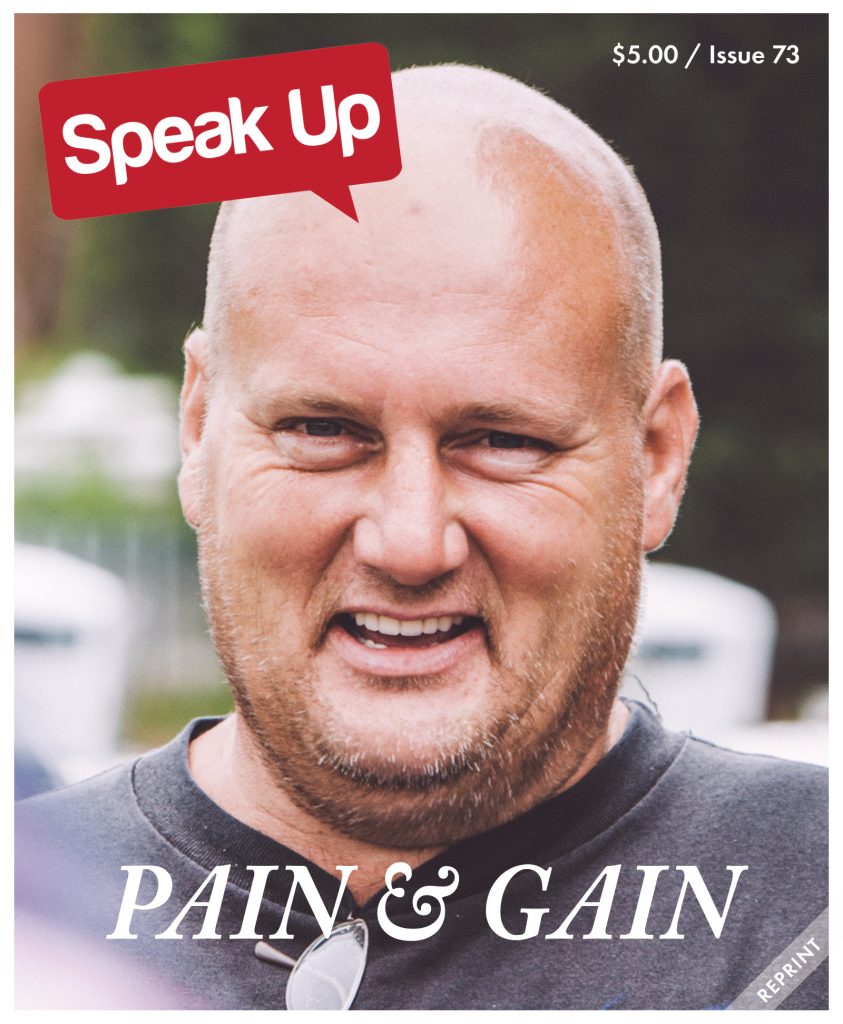
$5.00 / Issue 73
REPRINTPAIN & GAIN
Page 3
“Pain & Gain” is a reprint of a piece first published in the
third issue of Speak Up Magazine.
This story is a freeze frame of a moment in one man’s un
folding journey, anchored by timeless and relevant truths.
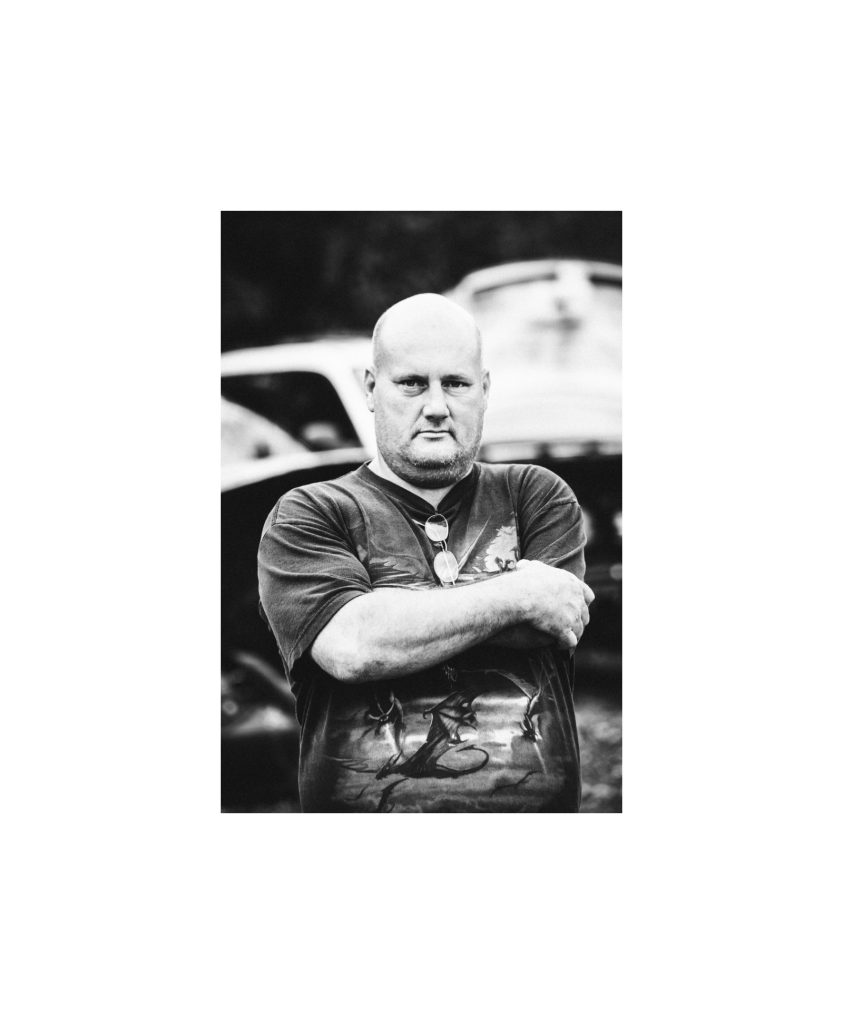
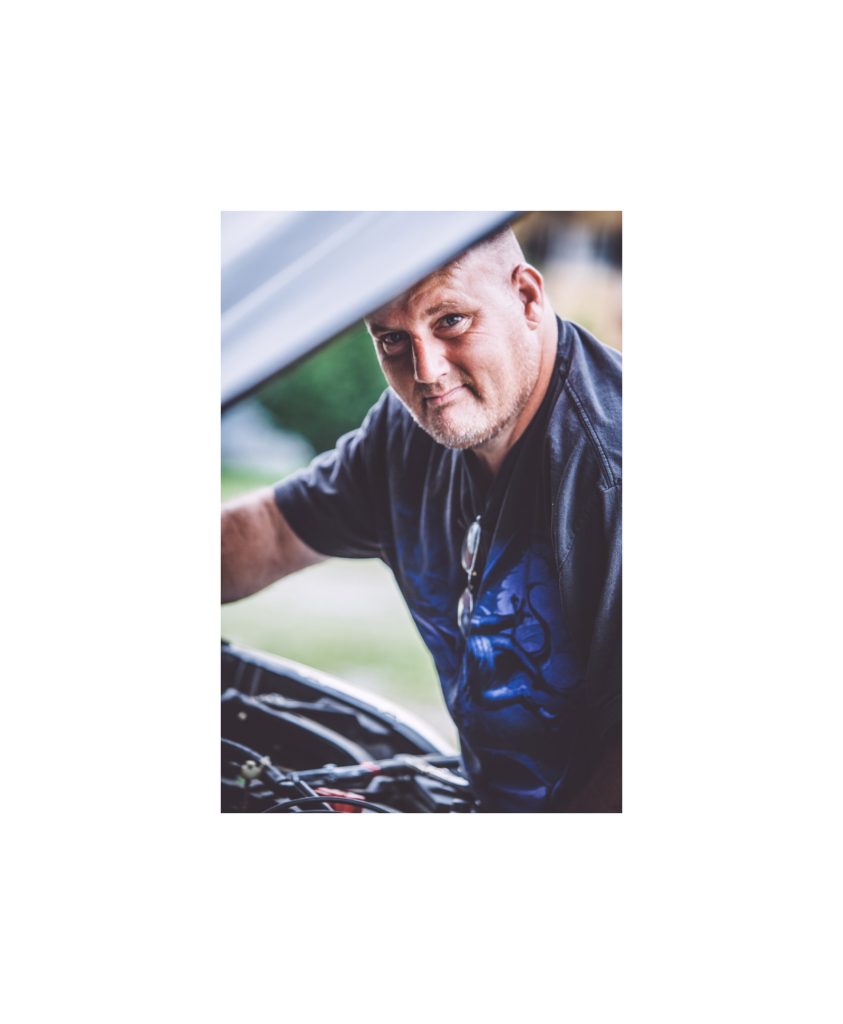
Photographs of Harold by Josh Putnam
Story by Noah Driver
Page 5
arold Twitty was 12 years old when he first started drink
ing heavily. A few years later, an 18-wheeler swerved into
Harold as he rode a bicycle alongside the road, collaps
ing the bones in his left arm and throwing him to the ground. TwoHmonths later, Harold woke up to a missing arm, cycles of worsening
addiction, and 28 years of darkness.
There aren’t many storytellers quite like Harold Twitty. In trying to
get a clearer picture of this man, it helps to stay true to the way in
which he unfolds his own life. The 44-year-old, formerly homeless
mechanic relays the major events of his personal life swiftly, only
exposing them long enough to make his next point about the world
as a whole. Thus, it is hard to promise that by the end of this article
you will figure out who Harold Twitty is or was or will be. Even he
hasn’t done that yet.
But, one thing is for sure: if you are ever fortunate enough to find
yourself in conversation with this repairman turned philosopher,
you’re likely to hear a bit of wisdom that will stick with you for some
Page 6
time. So, don’t expect to find out where Harold has been living for
the past three decades. Don’t expect to understand his relationship
with his family. Don’t expect anything, just listen.
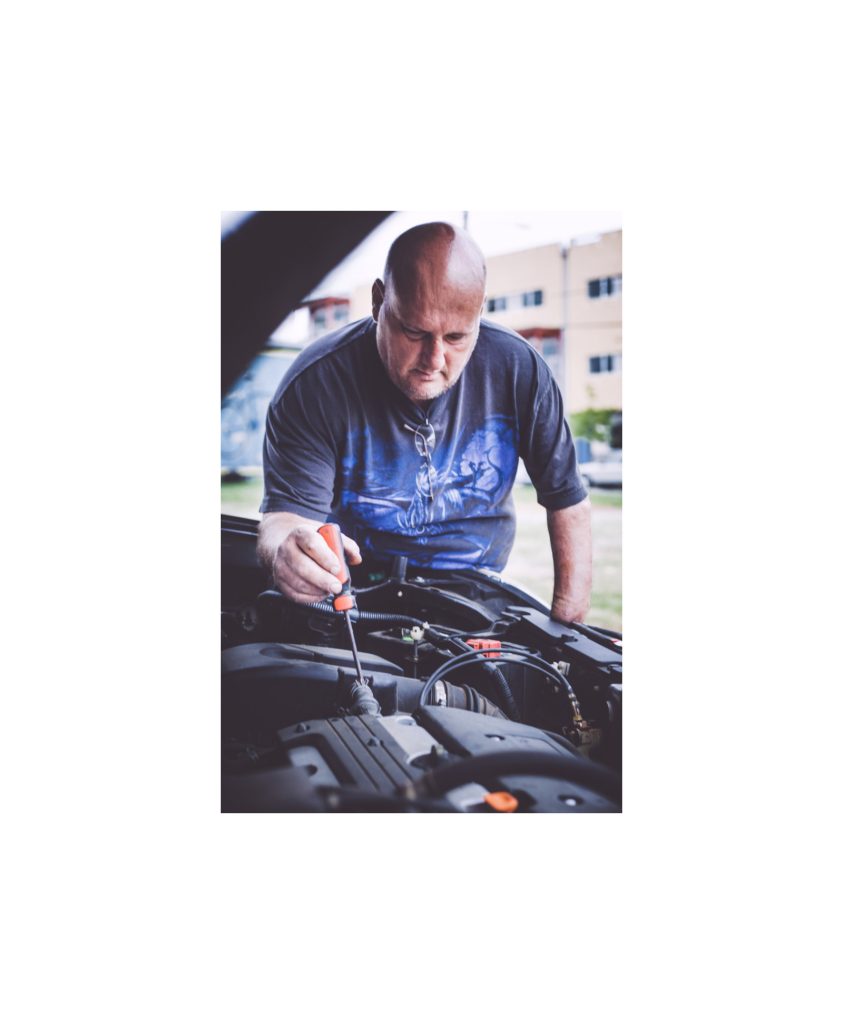
Life after the accident was not easy for Mr. Twitty. Growing up, his
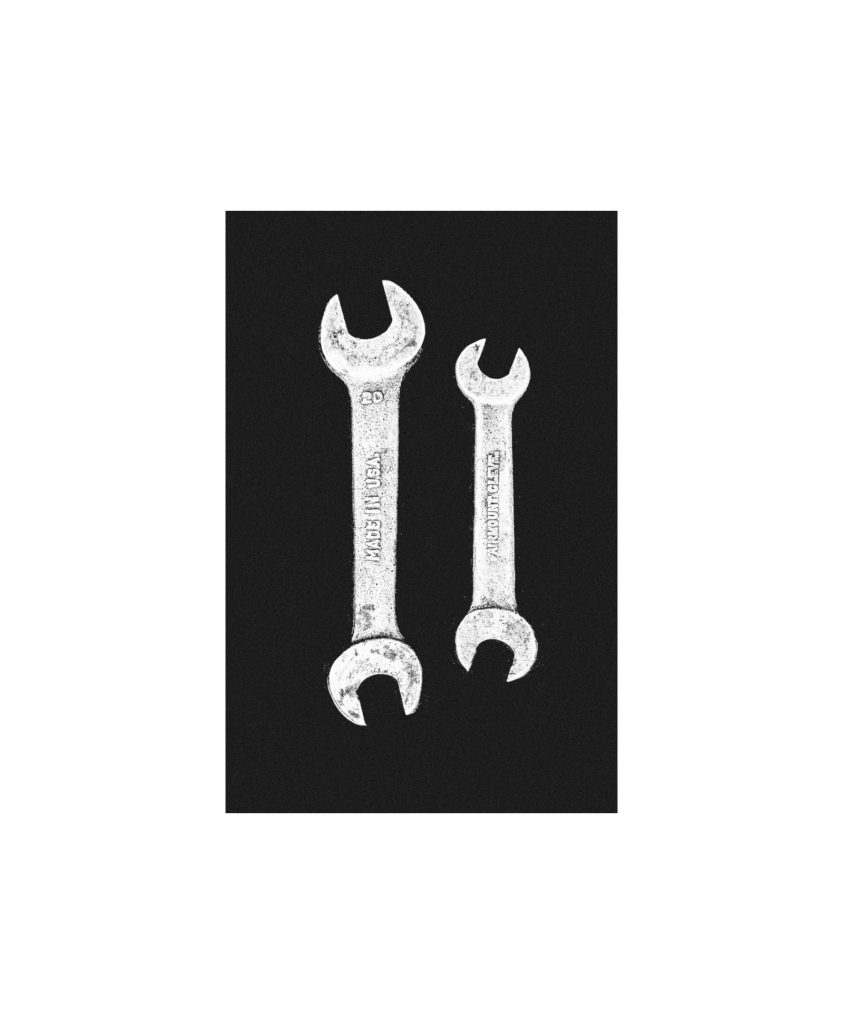
great love was mechanics. Tinkering with cars and understanding all
the intricate details of a vehicle fascinated him as a boy and was of
ten the only activity worth participating in around the house. Young
Harold knew he would grow up to be a mechanic.
At 16 years of age, Harold woke up from a life-threatening coma
that took away his dreams and any promise of a perfect future. For
nearly a year after the accident, Harold was profoundly angry over
his loss and spent every waking moment trying to ignore his new
body. “The proof from your body that it happened won’t let you for
get,” he says. Riddled with anger and frustration, He turned toward
alcohol and hard drugs to dismiss the thoughts of a disabled future.
He drew further away from family, constantly fighting his father.
Page 9
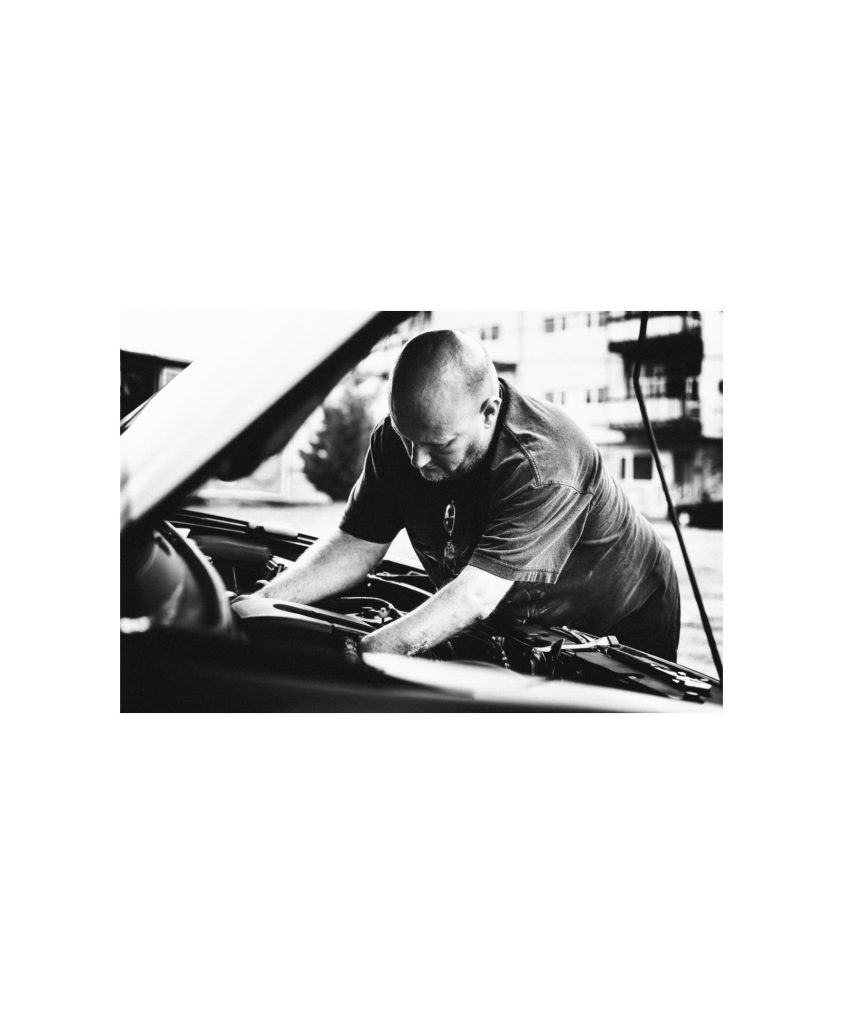
Despite the hardship, Harold’s love of mechanics remained. For
years he fought a daily battle to retain the dream of his youth. And,
despite the drugs, alcohol, loneliness, and disability, Harold has held
over a dozen different mechanical jobs during the decades after his
accident that even the most able-bodied persons would find difficult
to take on. One of Harold’s former clients says, “He’s the best me
chanic I’ve ever met, one hand or two.”
When asked why he still does mechanic work today, Harold says,
“It’s impossible to tell yourself that you cannot do something.”
Besides the missing arm, he has been diagnosed with PTSD, Severe
Bipolar Disorder and Diabetes, and he’s recently become blind in
one eye. If anyone has the right to say “impossible,” it’s Harold Twit
ty. He hasn’t though. As he puts it, “If you give up, life stop.” So he
refuses to give up.
Mr. Twitty spends a great deal of time discussing what his disability
has taught him, ending with one of his more inspiring phrases, “As
Page 10
long as I don’t give up, everything changes.” But, when the conver
sation turns back toward the more personal side of things, Harold
speeds through another major portion of his life in seconds.
“We had a fairly happy family…” he says staring out across the room.
However, Harold’s version of a happy family quickly deteriorates as
he recalls the “lows” of the past 40 years. According to Harold, after
years of bitter fighting and alcohol abuse within the family, his father
shot him in the back after a fight during his mid-20s.
It took another twenty years for Harold to find out that this man was
not actually his biological father. His birth mother had died some
time during those twenty years, along with every biological con
nection Harold had in this world. His stepmother and four sisters
were still around, but it wasn’t long before Harold’s bad habits began
breaking apart his connections to them as well.
His family and friends becoming more distant with each passing
year, Harold began wandering around North Carolina, surviving and
Page 12
feeding his addictions. It was during this time that Harold was im
prisoned for drug usage and other offenses. His rapid way of telling
his life story does not allow him to rest on the saddest parts of the
narrative for too long.
When asked about the lowest moment of his darker years, Har
old begins to recount his days in prison saying, “The lowest point
would have to be when I was accused of…” But he trails off. Then,
he straightens up, takes a long pause, and shares the reality of his
“lowest point”: being sexually assaulted by an older relative when
he was eight years old. His life’s story, often told in fast forward, is
pockmarked with many incidents of abuse and pain.
Those moments, though dark and difficult, taught Harold an incred
ibly important lesson: how to forgive.
Page 15
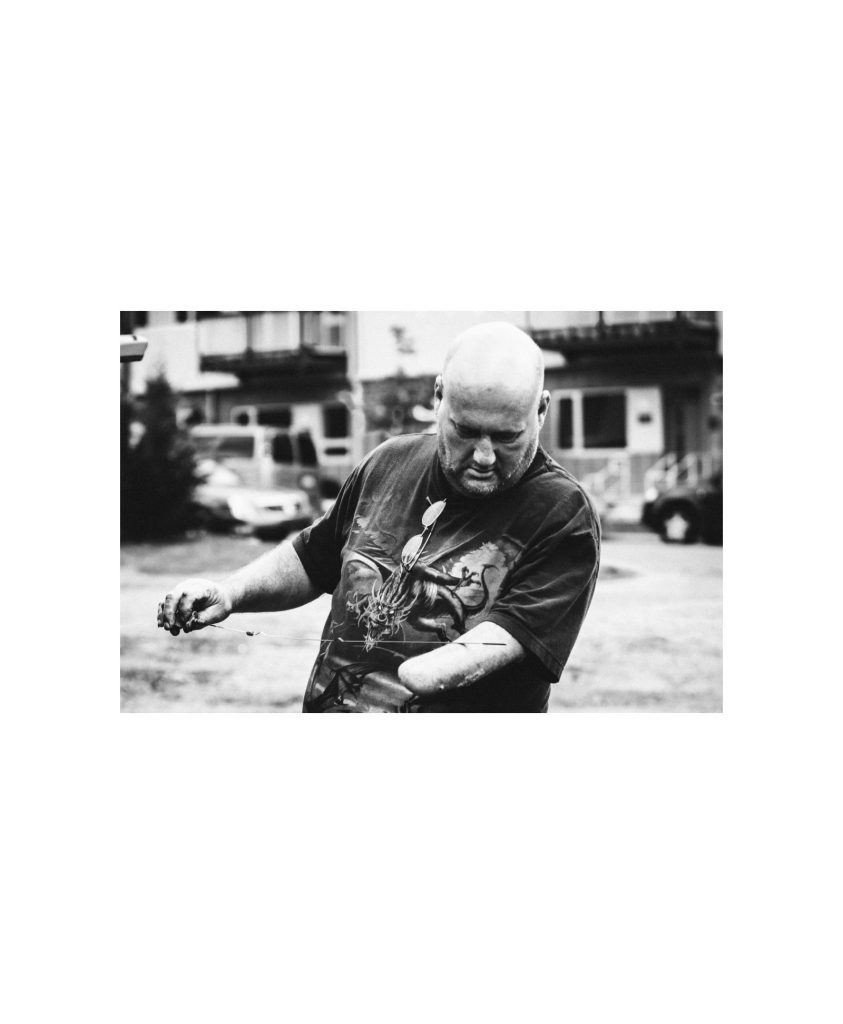
ndoubtedly the first feature people notice about him, Har
old’s disability does not define him in the ways one might
expect. In fact, it seems that the life-altering accident has
become Harold’s strongest tool for sharing his wisdom. Over time,Uthe loss of his left arm gave him the resolve to get over and through
the day-to-day obstacles of his life. With that concentrated willpow
er, Harold understood that he could also begin to purge the demons
from his past that his heart had held onto for so long.
Harold realized that he must begin to forgive his past in order to
embrace his future. Five years ago, everything started to change for
Harold. He started going to support groups like AA and seeking
the wisdom of those around him. He slowly began to change from
within. Harold “took an inventory of what’s important in life” and
began trying to live by his personal motto: “Do the right thing by
the next person.”
God came into Harold’s life at the perfect time. His perspective on
life was shifting radically, and he was looking to gain the respect of
Page 16
those around him instead of simply arguing and fighting all the time.
He didn’t want his family to always think of him as a drunk. He
wanted to be “remembered as a good man.”
Though there was a period of time when Harold’s transformation
was focused on changing the opinion of his fellow man, he began to
associate his new rule of “doing right by the next man” with God’s
desire for his life. Harold is now only worried about God’s opinion of
his life and believes that everyone else will think rightly of him too,
so long as he’s going after God’s will.
The recent good fruits in his life bear witness to the soundness of
these new choices. Now that he has learned to forgive the people
in his past and embrace the people of his future, he has found add
ed friendships, greater personal and professional respect within the
community, and, finally, a second chance connection with his family.
His stepmother actually called him out of the blue to ask how he
was doing the other day. Harold jokes that he was so surprised to get
Page 18
the call that he nearly “fell out and had a heart attack on the spot.”
Family life has once again stabilized for Harold, though he knows
they still have a long road ahead. When asked how long before the
family would be back together, Harold says, “Not three, five, or ten
years. You can’t just easily straighten out or fix what it took you forty
years to mess up.”
Mr. Twitty moved to Charlotte recently with this newly positive out
look and is now happier than ever before. Though life is still unstable
for Harold and not always cheerful, his mind is the clearest it has
ever been. He walks tall now, not afraid to share what this world has
taught him. He’s learned to forgive himself.
He expresses many of the proverbs we take for granted in new and
refreshing ways. “The one thing you can do and change a lot of peo
ples’ lives around you is to change your own life,” Harold says, speak
ing calmly and confidently, welcoming any audience that will listen
to a man who has lost, learned and gained so much.
Page 20
SPEAK UP MAGAZINE
Speak Up equips remarkable people facing homelessness with a
magazine that releases their voice and give them a chance to work
and earn money. As they buy and sell Speak Up magazines (and
keep the profits), they discover dignity, develop skills, accomplish
goals, and get off the streets.
Speak Up is a 501(c)3 nonprofit, powered by your generosity.
PLEASE GIVE.
SPEAK UP
501 Hawthorne Lane
Charlotte, NC 28204
SPEAKUPMAG.ORG
@speakupmag on social media
ARE YOU FACING HOMELESSNESS?
You can write for the magazine, tell your story and get paid.
You can sell magazines and earn immediate income.
IN CHARLOTTE: Come to the address above on Thursdays at 2PM.
ANYWHERE IN THE USA: Visit speakupmag.org/partner.