
1 / 20
Read as text
Page 1
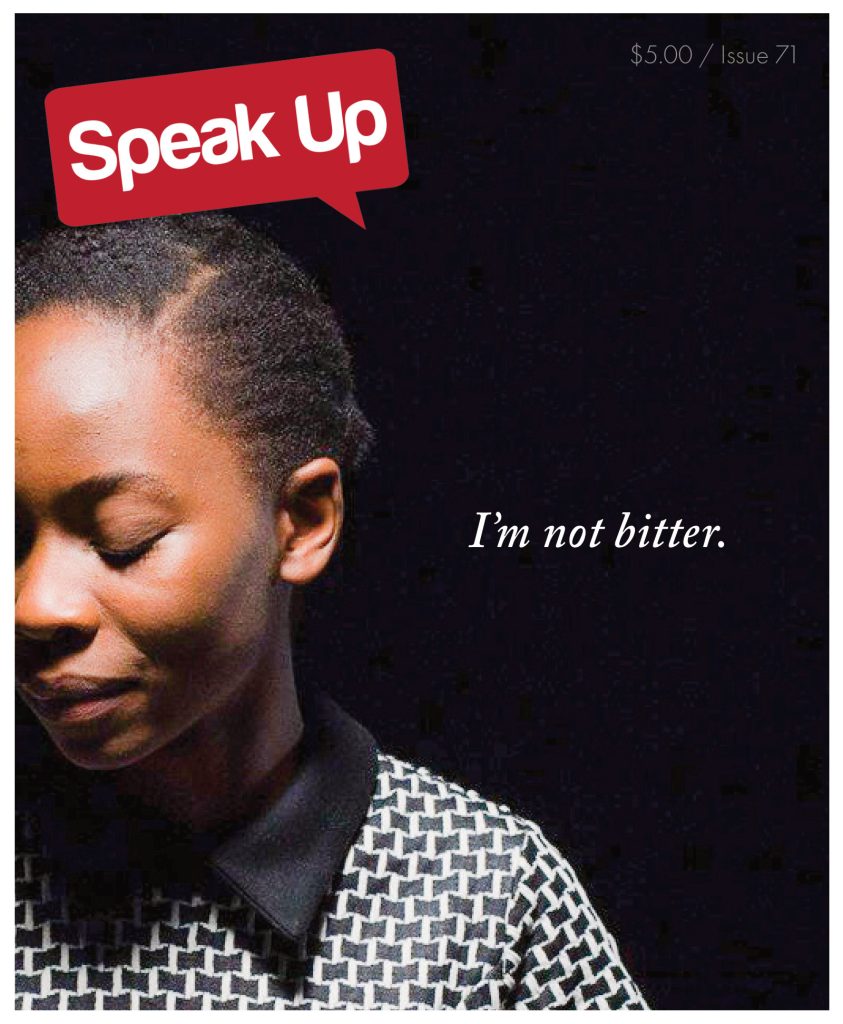
$5.00 / Issue 71
I’m not bitter.
Page 2
I’m not bitter. I’m better.
Page 5
I was born in Atlantic City, NJ, in 1965. I spent most of my sum
mers on the beaches and the boardwalk watching all the tourists
gather, from all around the world, to spend their vacation at the
world’s biggest playground. I was molested at the age of eight
up until I was 12 years old when I began to make the streets my
home.
As early as 11 years of age, I remember my mother having parties
and gambling sessions in our home. I was exposed to a lot at a
young age. We were poor and grew up on a rough side of town
known as “Back Maryland.” My addiction started the first time
Page 6
I had a taste of alcohol at 11 years old. The first time I smoked
marijuana, I was 12 years old. I started smoking cigarettes when I
was 13 years old.
In 1982, I had my first taste of cocaine. I started out sniffing.
Shortly after, I began to smoke it in my marijuana. After awhile, I
felt like I just couldn’t get high enough. I was then introduced to
crack cocaine, and my life quickly became out of control. My only
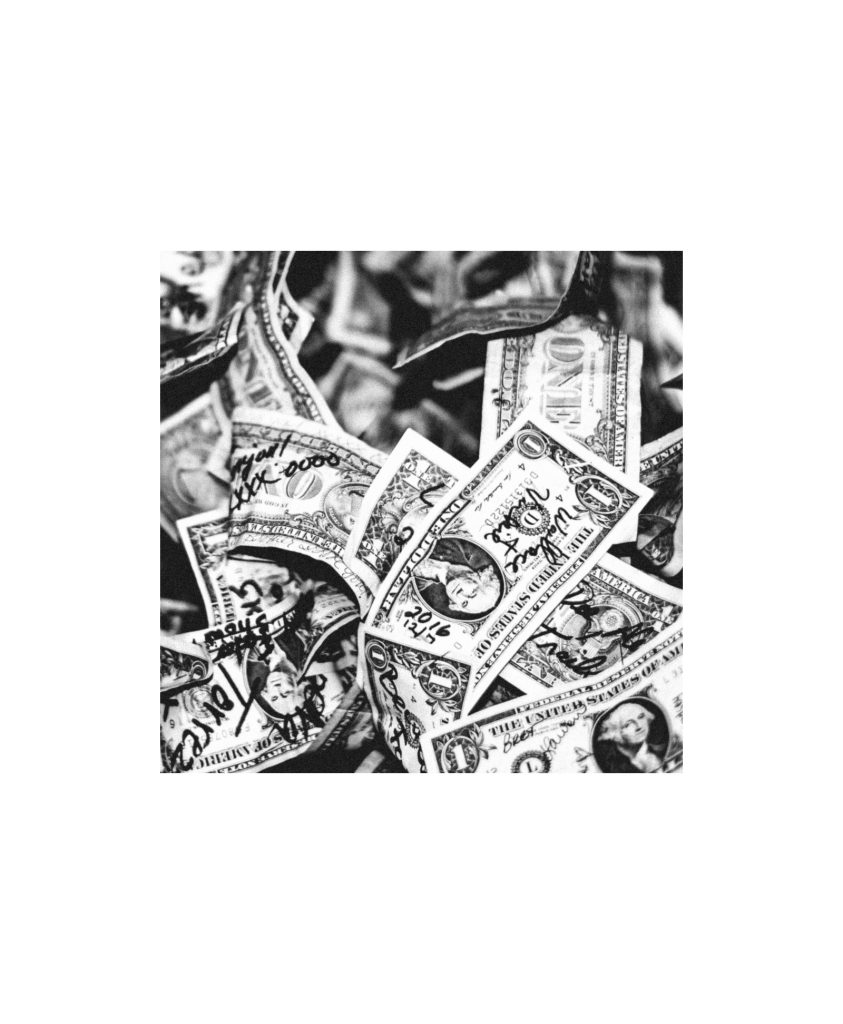
concern was where and when I could get my next hit. I had to
think of ways to get money, and get money fast. I tried to con
vince myself that I was making a fair exchange because I was not
Page 9
actually standing on a corner, so I didn’t consider it prostitution,
but it was. I was using my body to pay for my habit.
In the summer of 1984, I went to Philadelphia, with some people
I met on the boardwalk in Atlantic City, to a house party. The
drugs and alcohol were flowing freely. I over-indulged and experi
enced my first blackout. I knew it was divine providence that led
me back to NJ safely. However, I still did not stop using drugs.
The day I overdosed was so clear to me. It was a cold and rainy
night in October 1985. I had no money, no job, and no place to
Page 10
call home. So I did what I knew best—hustled until I could raise
the funds needed to get high. It was a horrible cycle of drugs and
despair. I found myself in a part of Atlantic City known as the
Inlet. I hooked up with a couple of guys and experienced my first
love for pills.
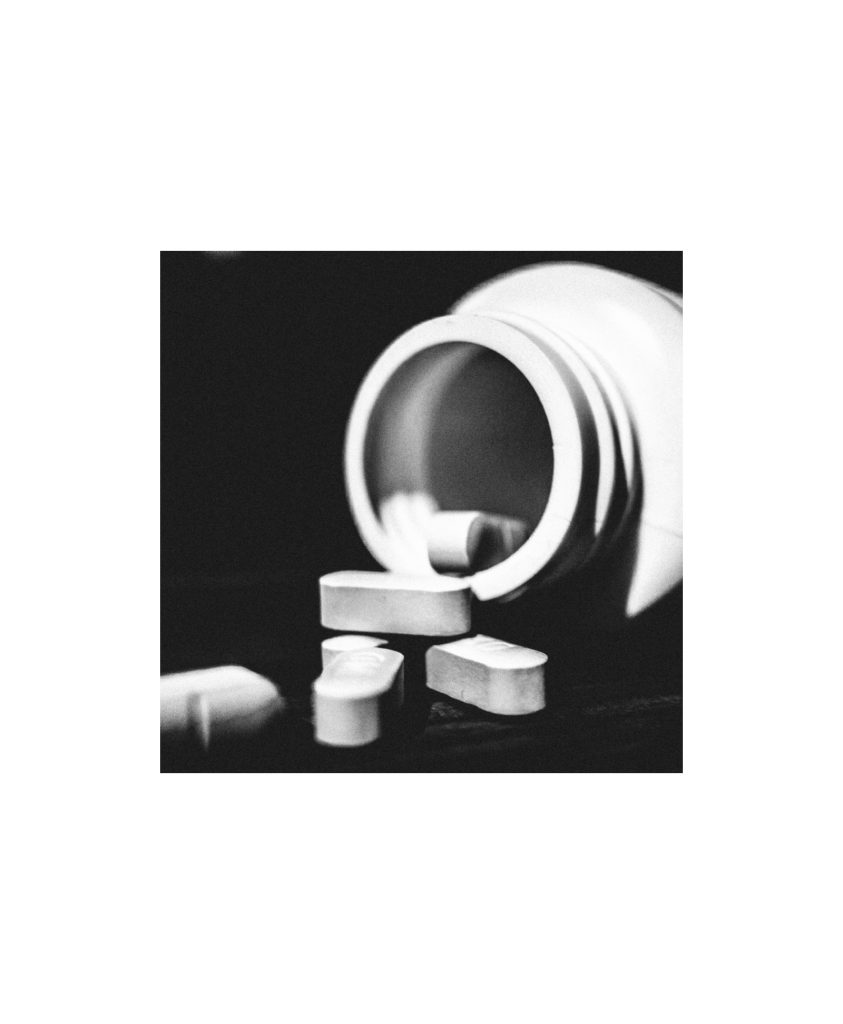
I thought for sure that barbiturates and Valium could erase all the
pain from my past–the constant voices in my head, the abandon
ment issues, the abuse, the loneliness I often felt, and worst of all,
the emptiness. I didn’t know then, but I know now, that I had a
void that only God could fill. After a night of drinking, drugging,
Page 12
not eating or sleeping, it finally took a toll on my body. I had
overdosed. When I came to myself, I was laying in Atlantic City
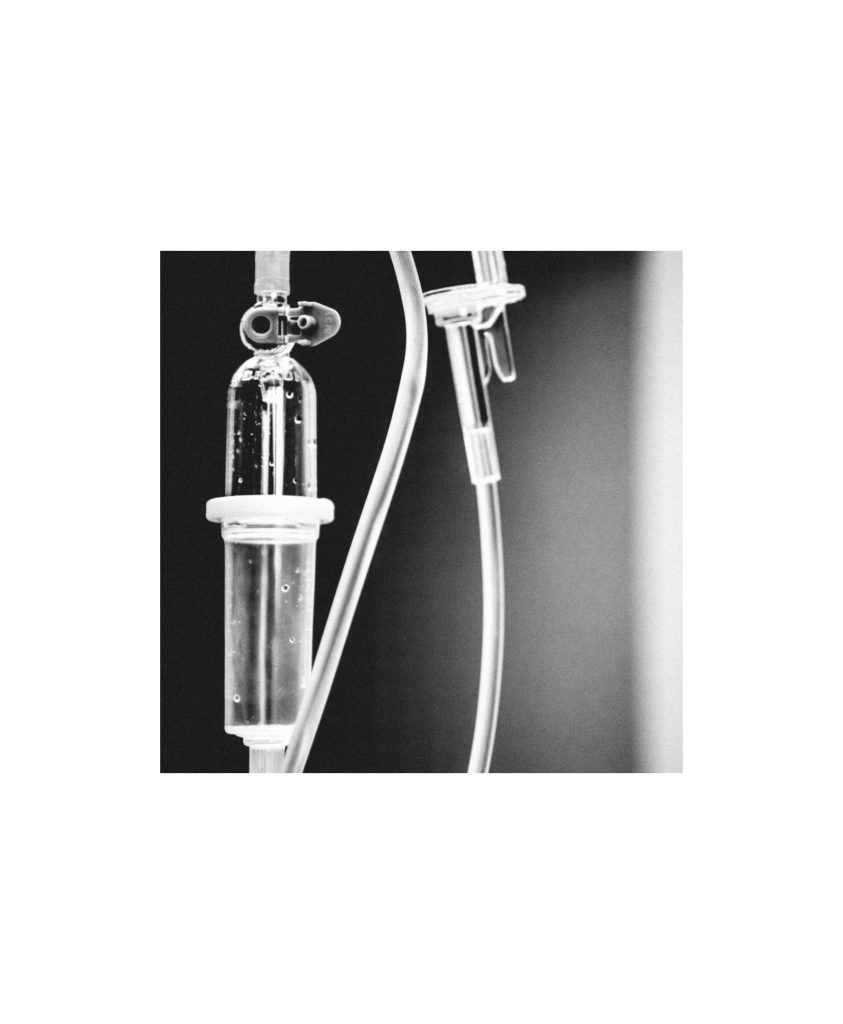
Medical Center with tubes in all my veins and feeling the echo of
death. I had no hope and no real sense of who I was or what my
purpose was in life.
After my stay in the medical center, I was taken to Acorn Psychi
atric Hospital. Until this day, I still don’t know how I got there
or how long I stayed. When I was released, I went back home to
the same life of depression, hopelessness and despair, so the cycle
continued.
Page 15
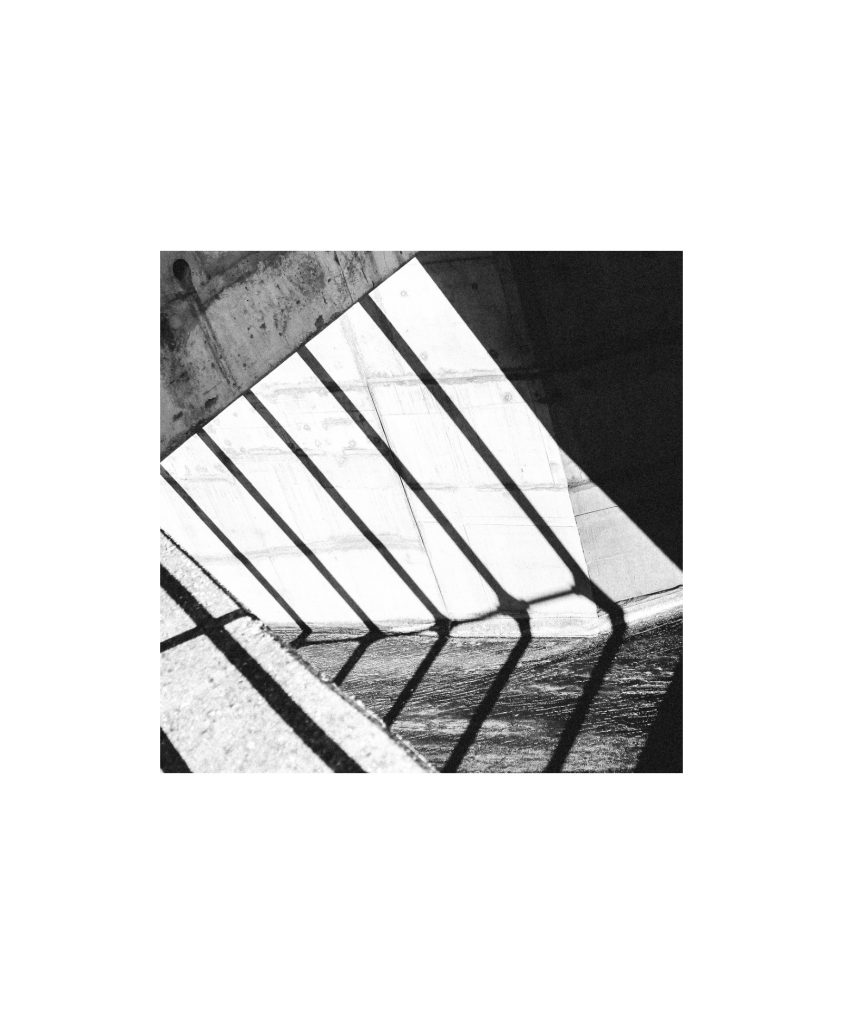
On May 7, 1989, I was sentenced to 30 years to life for murder. I
took the plea and ended up with the lesser charge of involuntary
manslaughter. I was sent to Edna Mahan, the only women’s prison
in NJ. Prison life was worse than the streets, but since I had to be
there, I made the most of it by applying myself to the many free
programs they had to offer: NA, AA, behavior modification, anger
management classes, one-on-one counseling, GED. I even signed
up for the Scared Straight program to warn young girls about the
dangers of a life of crime and prison.
Page 16
It wasn’t until the Amer-I-Can program founder and CEO, Jim
Brown (former NFL Hall of Fame and actor), came to the prison
that I began to see the hand of God upon my life. I got saved on
November 1, 1993. It was the best decision God allowed me to
make. Four years after I gave my life to Christ, I was raped and
forced to have an abortion behind bars.
Since then, I have learned the power of forgiveness. Just as Christ
my Savior has forgiven me, I had to forgive others. Not an easy
task but possible when the love of God is rooted deep in my heart.
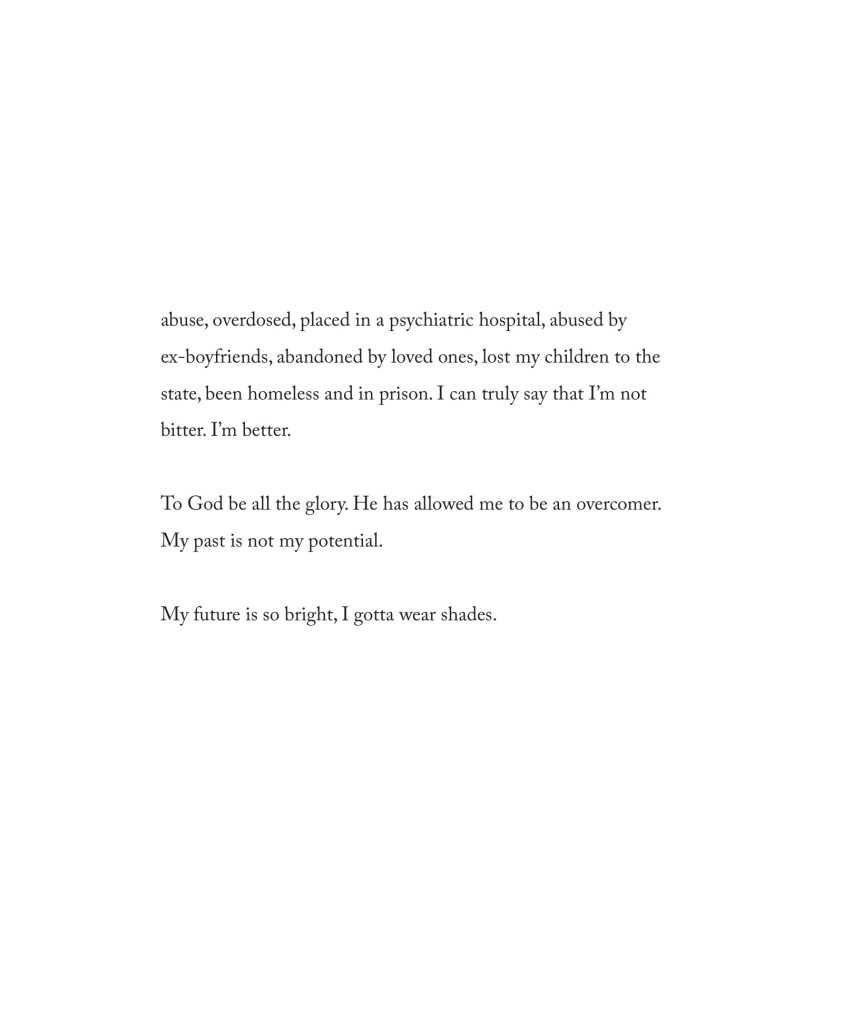
To sum it up, I have been molested, addicted, battled substance
Page 18
abuse, overdosed, placed in a psychiatric hospital, abused by
ex-boyfriends, abandoned by loved ones, lost my children to the
state, been homeless and in prison. I can truly say that I’m not
bitter. I’m better.
To God be all the glory. He has allowed me to be an overcomer.
My past is not my potential.
My future is so bright, I gotta wear shades.
Page 20
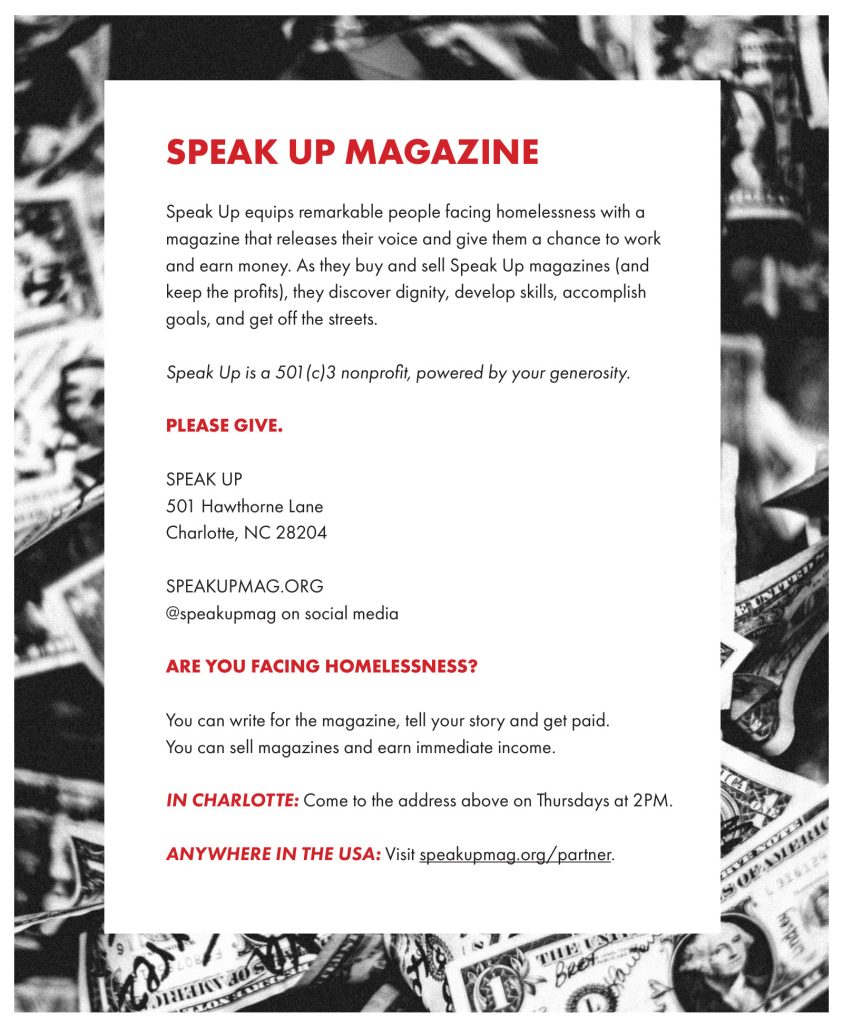
SPEAK UP MAGAZINE
Speak Up equips remarkable people facing homelessness with a
magazine that releases their voice and give them a chance to work
and earn money. As they buy and sell Speak Up magazines (and
keep the profits), they discover dignity, develop skills, accomplish
goals, and get off the streets.
Speak Up is a 501(c)3 nonprofit, powered by your generosity.
PLEASE GIVE.
SPEAK UP
501 Hawthorne Lane
Charlotte, NC 28204
SPEAKUPMAG.ORG
@speakupmag on social media
ARE YOU FACING HOMELESSNESS?
You can write for the magazine, tell your story and get paid.
You can sell magazines and earn immediate income.
IN CHARLOTTE: Come to the address above on Thursdays at 2PM.
ANYWHERE IN THE USA: Visit speakupmag.org/partner.