


1 / 24
Read as text
Page 1
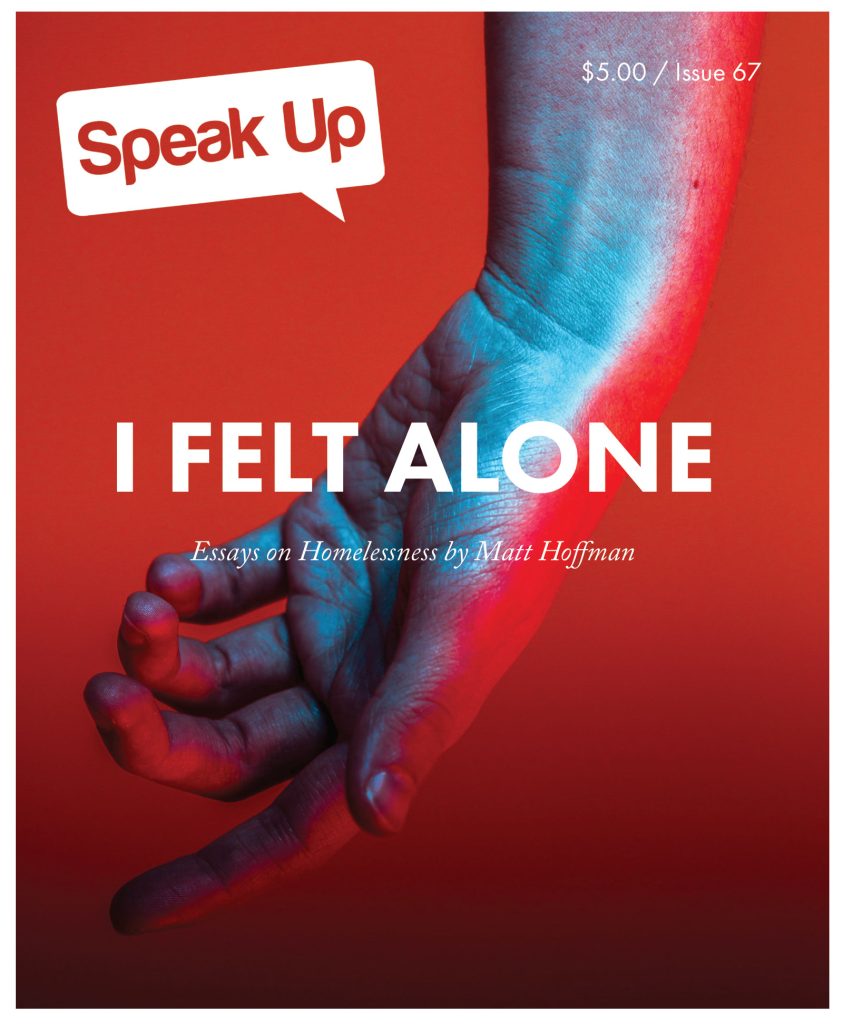
$5.00 / Issue 67
I FELT ALONE
Essays on Homelessness by Matt Hoffman
Page 2
IT WAS ALL
RATHER
ABRUPT
Page 4
IT WAS ALL RATHER ABRUPT
It was nine years ago when I first slept on the street.
Sleeping on the street is lonely. Sleeping on the street is maddening.
Sleeping on the street changes one’s perspective about how others are
using their own lives, their own potential and their own worthiness to
be representatives of our good God’s stewardship.
When I fell into homeless at twenty nine years old, I became enraged.
I was already brutally heartbroken. I did not understand how, in an
environment where we possessed so much materially and purported
to have sound morals that had propelled us to great heights, I had to
suffer so much. Thankfulness and gratitude did not come easily and do
not come easily.
It is hard to be thankful for peanut butter and jelly that comes from
funds raised at galas featuring lavish beef entrées and free-flowing
wine. It is hard to be thankful about a society and a culture of homeless
services that often seems to treat you like a liability or a commodity to
be exploited. Sometimes the sheer total helplessness of the situation
blinds one to the amount of blessings one actually possesses.
Being hungry and alone gives one a true perspective on how small
actions like sharing a meal with others and a simple conversation are
Page 6
blessings. We live in a world that can cause one to be deprived of these
simple joys, so I try to be thankful in every moment.
When I became “houseless,” I was sad, angry, confused and most
importantly, I felt alone.
I was working as a pedicab driver, giving tours of my awesome town
to tourists and locals, as well as shuttling patrons from point to point
in the uptown area. Before my roommate asked me to move out of his
house, I also worked at Outback Steakhouse.
It was all rather abrupt and somewhat without warning.
I knew at the time it was possible for me to remain anonymous and
to regain my life with a sacrifice of silence. To keep quiet in my own
silent, lonely pain. But even before I became “houseless,” I had many
problems with how poor people were treated.
To me, it is simply unfair for us to allow others to remain
impoverished; it is to their detriment and to our own. When I see “the
homeless” hanging out on park benches and vagrantly existing in the
heart of my city, it’s embarrassing, disconcerting and annoying. I felt
this way before I became homeless.
Often when I would pedicab drive, I would give five to ten dollars of
my money to those who panhandled all weekend long.
Page 9
Usually, I found that giving my money that I earned pedaling my
legs lifted my spirits and also gave me some financial karma that
carried over into my business. I quickly made friends with some of the
homeless because of this. I did not expect to one day be in the same
position.
Instead of hiding myself away in an abandoned part of town, unseen by
the people who I felt were my peers, I placed myself in one of the most
visible portions of the city, at the corner of two busy streets, on a park
bench underneath a well-endowed shelter owned by a rich church. It
was my hope that the more philanthropic members of the congregation
would see me on the bench and question me about my presence there.
I desperately wanted a place in our society. I desperately wanted to be
cared for. I desperately wanted to not feel so alone.
Unfortunately, this is not what occurred.
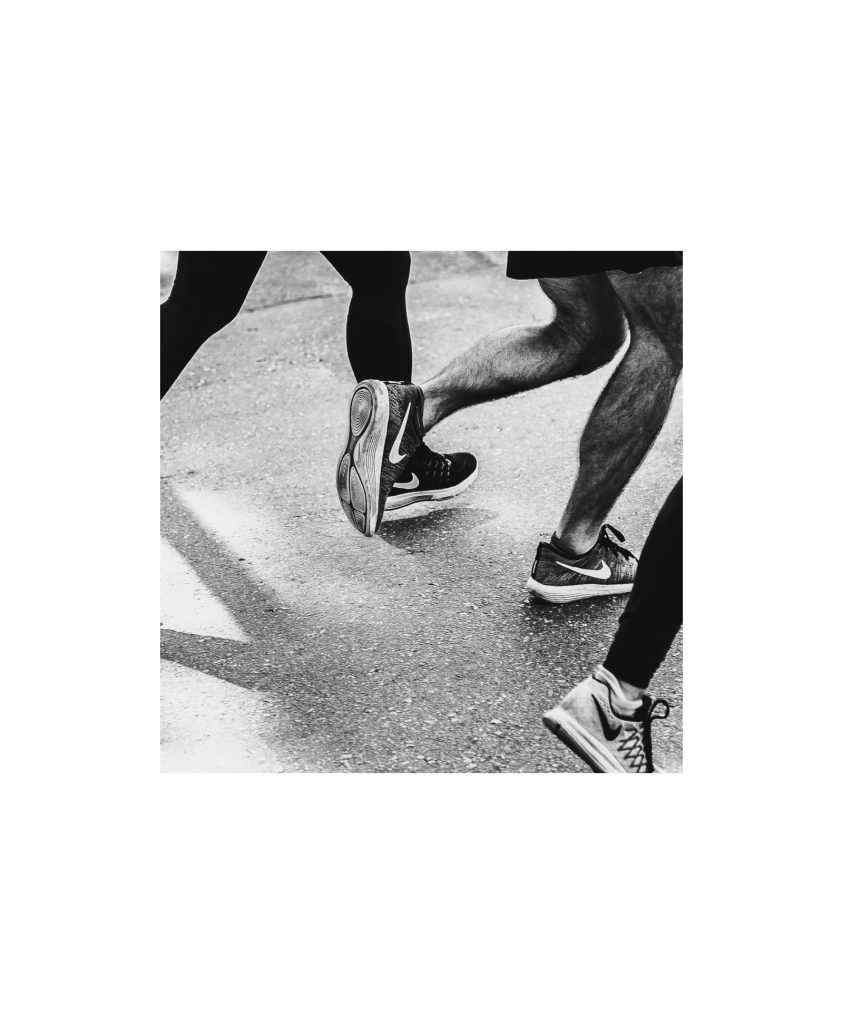
Instead, I was ignored. In the morning, I would wake up, and the local
coalition of mom joggers would run by, discussing their lives. And
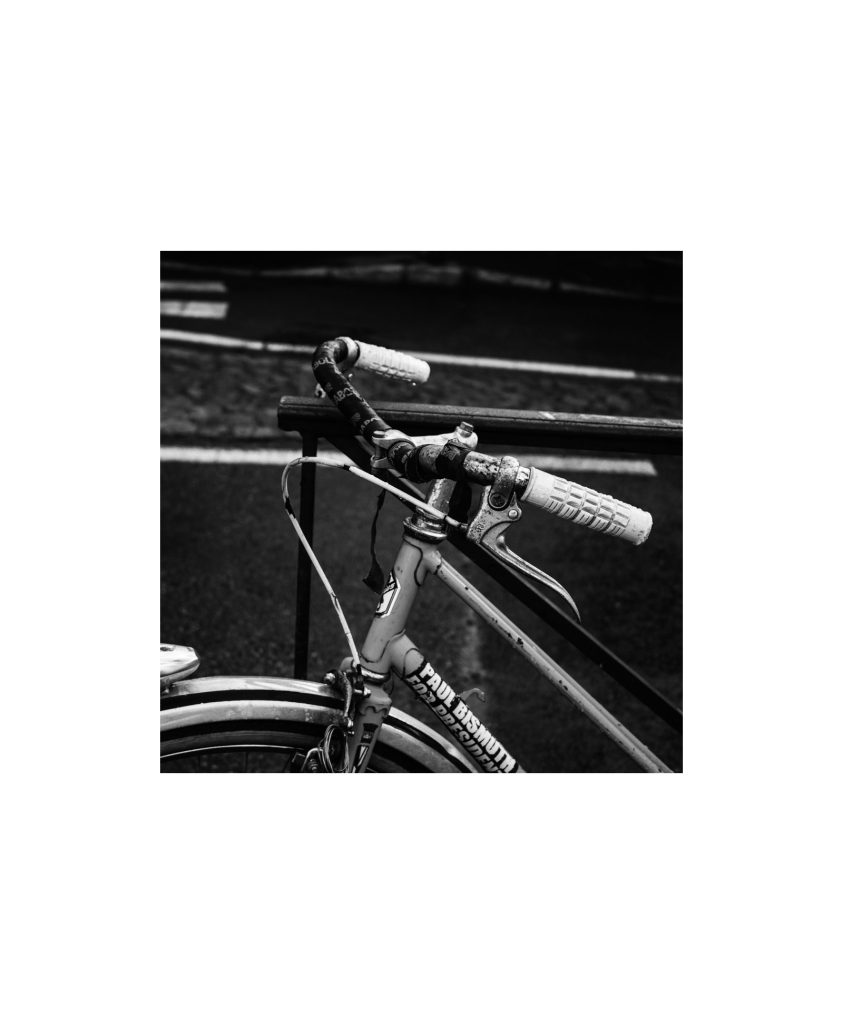
I’d hear the “whoosh” of cyclists riding by on their morning workout
session. As they noticed me on the bench and I attempted to maintain
an appearance of actual sleep, their volume actually increased, almost as
if to indicate, “We are trying super hard to appear as though we don’t
notice you on that bench, so we’ll get louder!”
Page 10
I never felt more alone than on those mornings surrounded by
people busily ignoring me. Oftentimes, I consider how so much in
my life might have been much easier if someone had just taken that
opportunity to say “Hello! You don’t belong here! Allow me to help.”
I have a lot of positivity in my life now, positivity that I am quite
grateful for, yet I will never forget those lonely nights in the well-
heeled neighborhoods when I waited for someone, anyone, to simply
drop by and say, “Hey!”
Page 12
DESPERATE TO GET CLEAN
Maybe you have gone camping? At the end of a weekend in the
outdoors without the comforts of civilization, you may have found
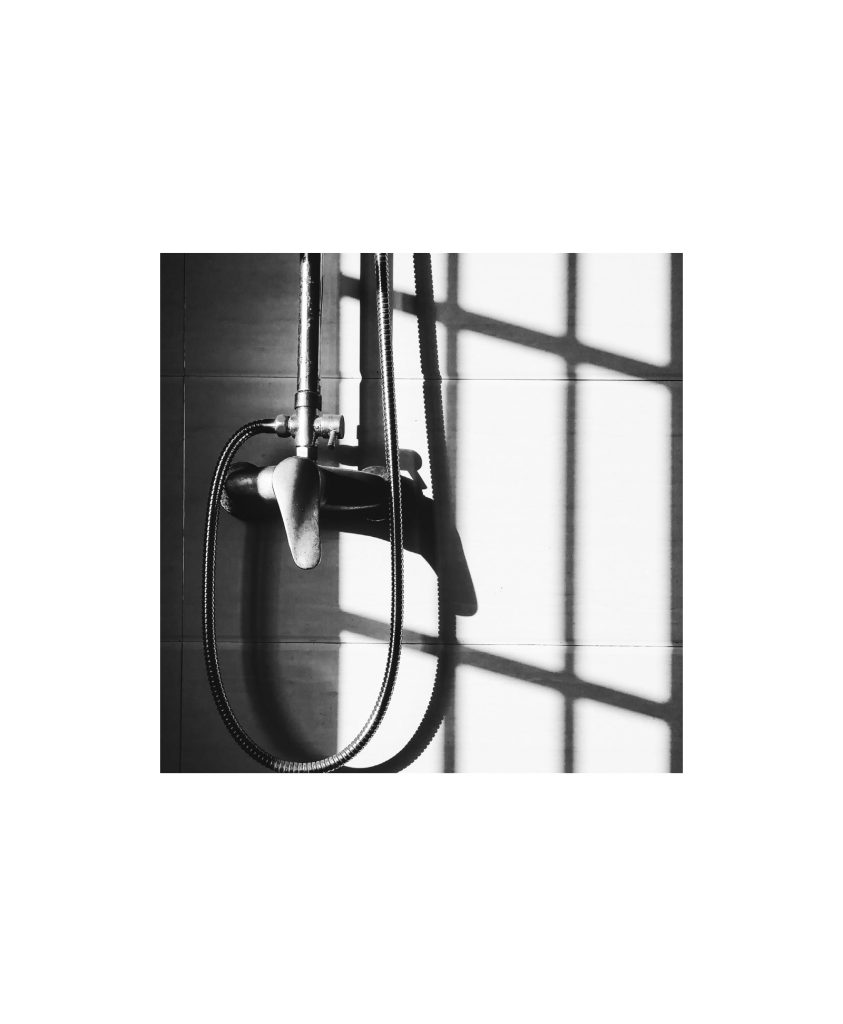
that the best part about returning home is the chance to shower and
to sleep. In the wilderness, there are no showers. (Except for waterfalls
and rain.) That is why God gave us the ability and knowledge to create
water treatment facilities and indoor plumbing and showers, bathtubs
and flushing toilets. God has been gracious with these water resources
so that we may share freely with others.
When I was alone—sleeping alone in public, collecting dirt in layers
and becoming more convinced that no one cared at all—my largest
concern was cleanliness. I didn’t want to look homeless and dirty. I
didn’t want to stink and repel people. I didn’t want to slide further away
from civilized living and a chance to regain my life. How could I get a
job looking and smelling like I had been camping for a week?
Also, I have oily skin. Sometimes I feel the need to shower multiple
times a day, and I still might not feel clean. On the street, it was rare
that I could shower multiple times in a week. My counselor at the
homeless agency liked to tell me that her father would say, “Missy, don’t
even talk to me until I’ve had a shower, a shave and a cup of coffee.”
When you are on the street, it’s difficult to tell people that they cannot
talk to you until you’ve showered, because you don’t have access to one.
Page 15
It’s hard to tell others the truth. It’s hard to say “I am scared. I am
alone. My teeth hurt. I feel dirty. I feel unloved. I feel neglected. I am
afraid.” When you try to say it and people ignore you, that makes it
even worse.
I felt dirty, oily, unwashed, ugly and gross. I had nowhere to hide. My
struggles were public. I had no room to go into and cry and bury my
head in my pillow. I had no stuffed animals to talk to. I had no privacy.
I could hardly sleep at night for fear that I would be beaten, robbed
and raped. I would read in the morning about the crucified homeless
man they found in the park and the murdered homeless man they
found at the nearby band-shell, and I would be happy that the police
were waking me up to check my ID for my safety as opposed to a
murderer or a rapist. If you were going to wake me up in the night, I
hoped you were the police. Once on the bench at Independence Park,
I was awoken at 3:30 in the morning by a lecherous man caressing my
thigh as though I had invited it simply by being there. I had never been
so stupefyingly appalled and repulsed by my entire community than I
was at that moment. He thought my repulsion was funny. He surprised
that I was upset. I was not laughing. I rode my bike to the garden at the
church on Hawthorne and cried afterwards for twenty minutes. All I
wanted was a shower. All I wanted was my life back. All I wanted was
to sleep without some strange man rubbing my thigh.
Page 16
The largest problem I encountered was the difficulty I had staying
clean. There are a lot of showering options available, if you have money.
Not many homeless people have a secret stash of money lying around.
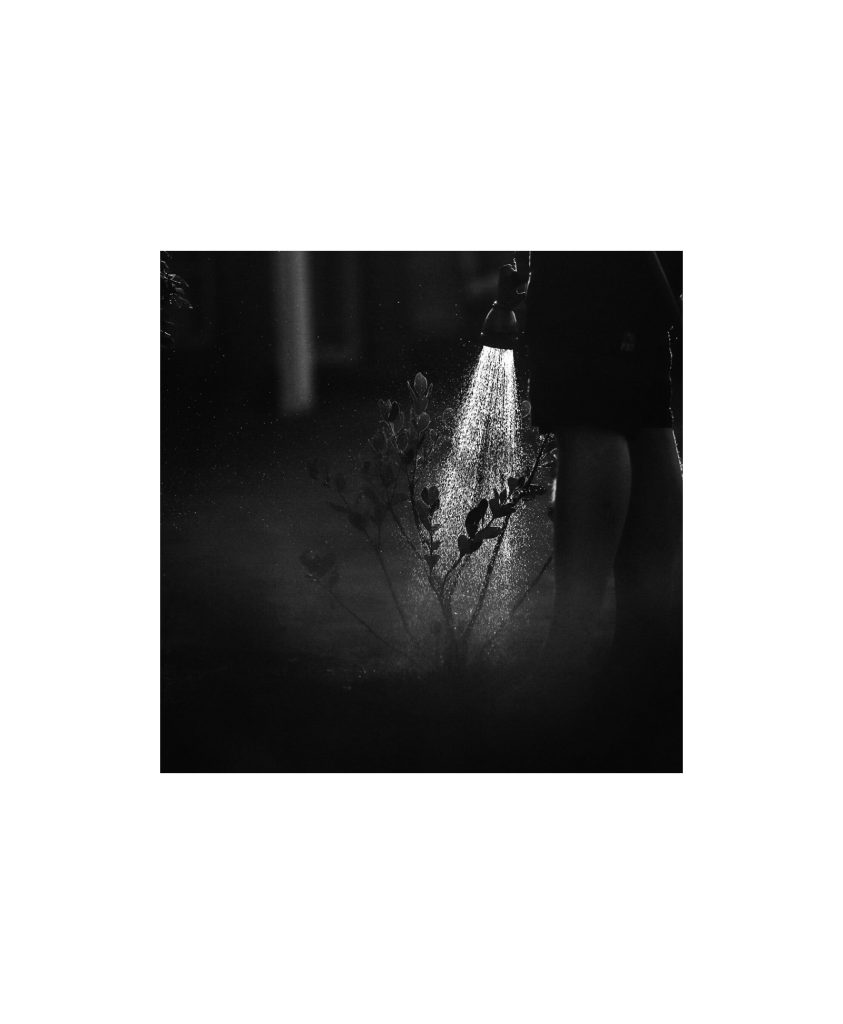
Garden hoses, while they are frigid make excellent showers in the
summertime. Get some soap and some shampoo, a bathing suit and
some flip flops and anyone’s driveway becomes your own personal
shower. It helps to ask their permission first. (If you aren’t able to
ask permission and they confront you, it can help your case to gently
remind them that they didn’t ask for your permission to treat you like
trash and if they had you would not have granted that permission to
begin with.)
This is easiest on weekend days when many homeowners can be
found hosing their cars down, watering their lawns or playing with
their pets and children. You might be surprised as to how many of the
homeowners around your town might be helpful towards you based
upon your own state of mind and their own. If you don’t beg for food,
money or other material possessions, most people enjoy helping others
out. Many of them even seemed to gleefully savor the chance to spray
water on me—certainly doing so was far easier than inviting me into
their home. (And they could still feel proud of themselves!)
In 2010, I had been homeless for about two and a half years. I was
dirty, unshowered and felt just plain gross. No one wanted to talk with
Page 19
me, get close to me, hire me, listen to me or see me. Being filthy, oil-
covered and nasty kept me in a pit of homelessness, self-disgust and
public rejection.
At this point in time, I had worn out my welcome at the local YMCAs.
When I first became homeless, I used the YMCAs to grab a shower
every few days. Most YMCAs were very gracious with me. I was
appreciative. For some reason, and without warning, the YMCAs
began blocking me from showering. It was curious to me, because their
method of denial was to deny me that they were ever allowing me to
shower to begin with. Another option I had utilized to shower was
the local aquatic center. Unfortunately for me (and for them!), I had
exhausted my welcome there also.
With those options gone, I turned to showering outdoors. Beyond
the garden hoses, which I mentioned previously, I had found solace in
the outdoor showers often times found at outdoor pools in apartment
complexes and at hotels.
It’s interesting, feeling like you have to steal a shower. When you are
unwashed, you feel self-conscious in public. You feel like you might
carry around a cloud of stench around with you, a cloud of stench that
unfortunately irritates those that surround you. When you are dirty,
homeless and feeling shamed, you might become convinced that your
filth is the only impression that others have of you. It also becomes the
Page 20
only impression you have of yourself. That’s the worst part: a constant
and nagging and tangible destroyer of hope and dignity. That’s what
makes it so maddeningly ironic how hard it might be to find a shower
if you have the misfortune to find yourself on the streets. Easy access to
would be transformational!
Like a thief, I would “break into” local apartment complexes and hotel
pools during minimum occupancy times (usually the early morning,
sometimes mid-afternoon), and, being careful to avoid detection by
groundskeepers and security, I would shower quickly and then blend
in by sunning myself dry. Often I would be chased out by security. I
do not know if word had gotten out about me or if I was just easily
identifiable as a vagrant, but I found out rather quickly as time went
on, that I was more and more unwelcome at more and more local
communities.
When I ran out of other options, one of my favorite last resorts was the
shower outside of a certain children’s wading pool in an upscale public
park. If you haven’t been to this park, it is one of my favorites. There are
basketball courts, nature trails, a great picnic area, swings and a wading
pool. Adjacent to the pool is a showering area to make sure all of the
children have rinsed off properly before and after they enter the wading
pool area. This pool and park is in a beautiful area inhabited by some of
our city’s most influential and exclusive residents. Their lovely enclave is
generally free from people on the streets and any undesirables.
Page 22
Very early one beautiful June morning, I decided that I was in need of a
shower. I had been chased out of many of my regular showering spots,
and knew that the wading pool shower would be available, refreshing
and sanitizing.
And it was.
The hot soapy water streamed through my hair and down my face and
body, rinsing off the grime, oiliness, shame, rejection and homelessness.
It ran down my tired legs, pooled around my battered feet, and
disappeared into the drain.
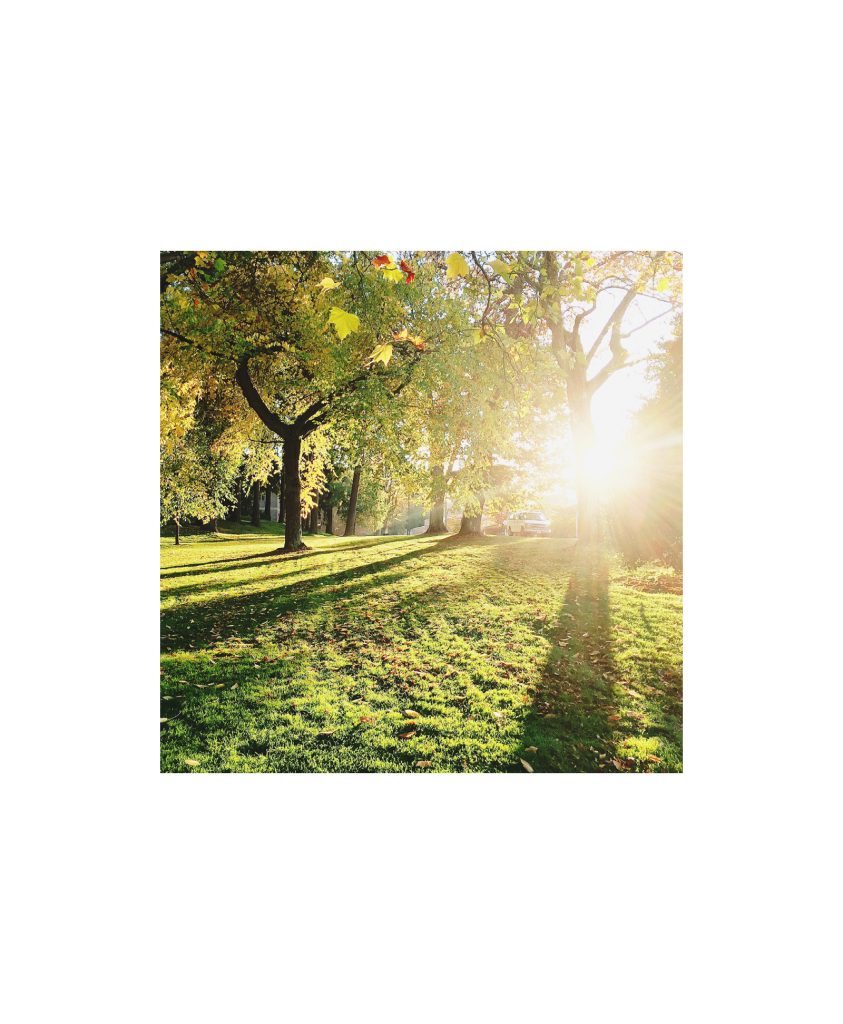
I picked up my bag and stepped out of the bathhouse, saw the sunrise
breaking through the trees, and felt—for a moment—hopeful, clean,
normal and human.
Page 24
ABOUT SPEAK UP MAGAZINE
Speak Up equips remarkable people who facing homelessness with
a magazine that releases their voice and gives them a chance to
work and earn money. As they buy and sell Speak Up magazines
(and keep the profits), they discover dignity, develop skills,
accomplish goals, and get off the streets.
Speak Up is a 501(c)3 nonprofit, powered by your generosity.
PLEASE GIVE.
SPEAK UP
501 Hawthorne Lane
Charlotte, NC 28204
704-900-1836
SPEAKUPMAG.ORG
@speakupmag on social media
ARE YOU FACING HOMELESSNESS?
You can write for the magazine, tell your story and get paid.
You can sell magazines and earn immediate income.
IN CHARLOTTE: Come the address above on Thursdays at 2PM.
ANYWHERE IN THE USA: Visit speakupmag.org/partner.