

1 / 20
Read as text
Page 1
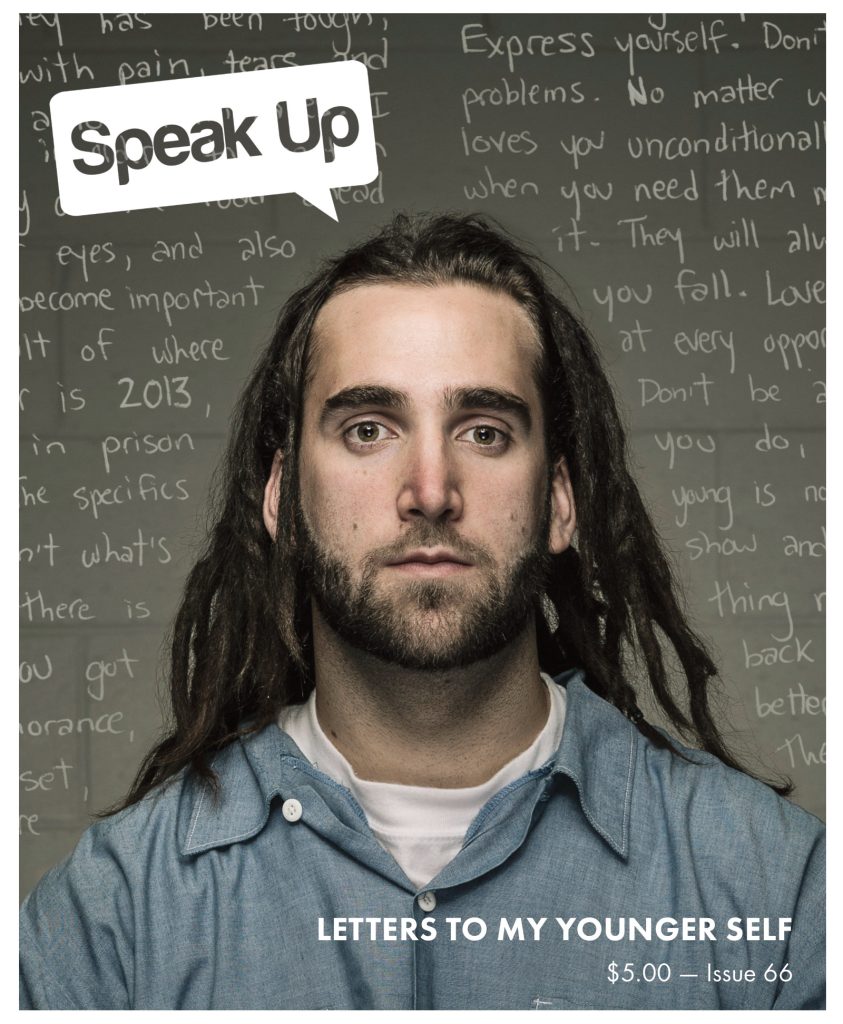
LETTERS TO MY YOUNGER SELF
$5.00 — Issue 66
Page 2
LETTERS TO MY
YOUNGER SELF
Article and Interview by Ranya O’Connor
Photos by Trent Bell
Page 4
n 2013, commercial photographer Trent Bell was shocked by
the news that a friend – an educated professional, a husband,
and a father of four children – had been sentenced to thirty-
six years in prison. Over the proceeding months, Bell foundIhimself haunted by not only his friend’s bad decisions and loss of
freedom, but also moments in his own life when things could have
easily taken a bad turn.
“There were times when my son would look up and smile at me,”
recalls Bell, “and the finality of my friend’s situation would rush
into my head, and I would hear a cold thin voice say: ‘There, but
for the grace of God, go I…’”
Bell, who is known for his architectural photography that has
been featured in publications such as Conde Nast Traveler, Design
New England, and The New York Times, soon conceived a photo
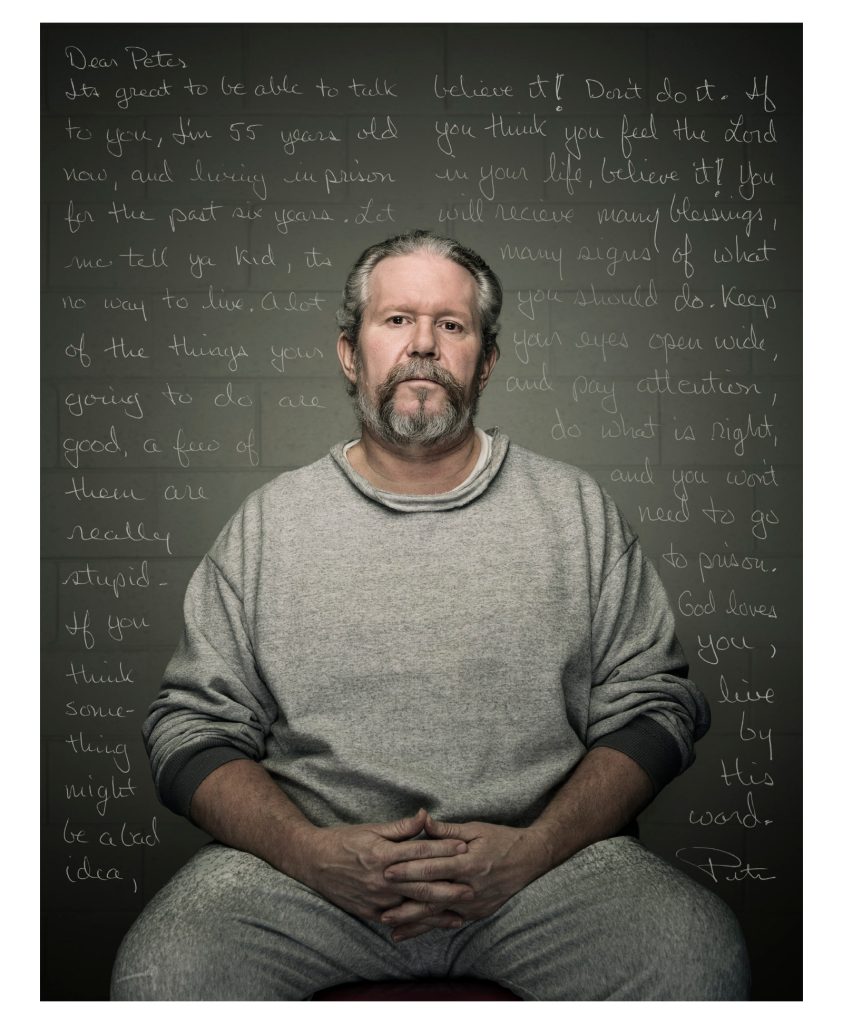
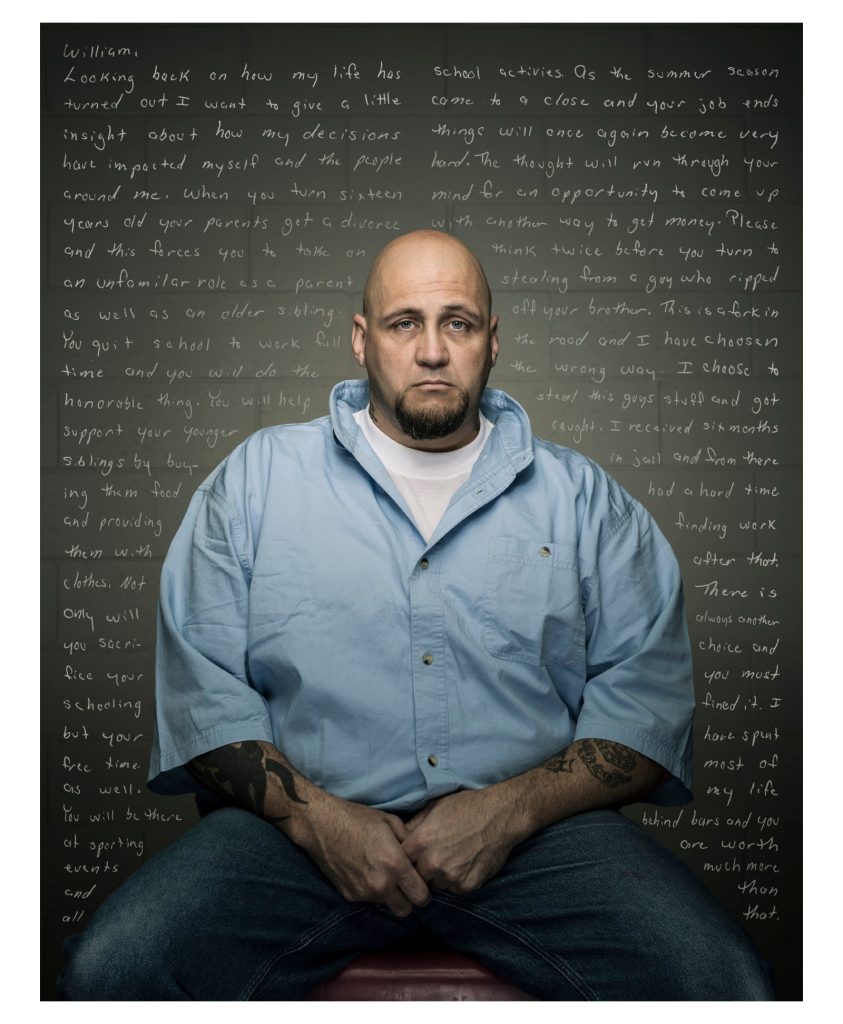
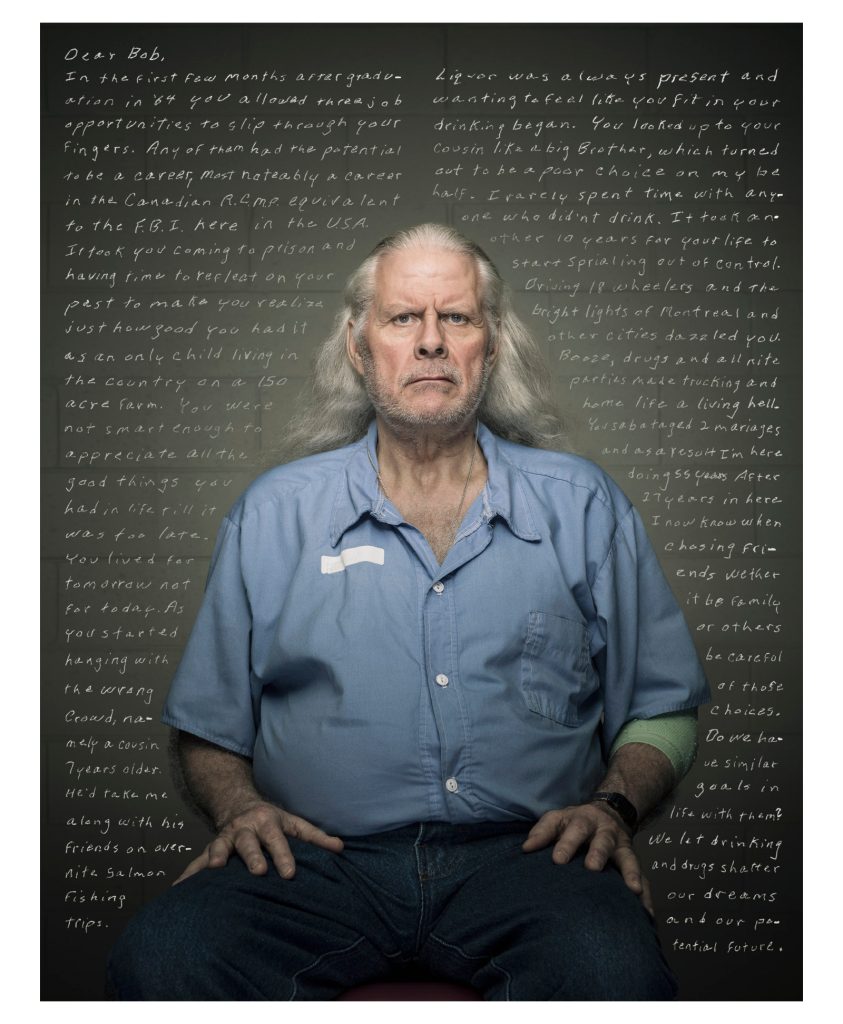
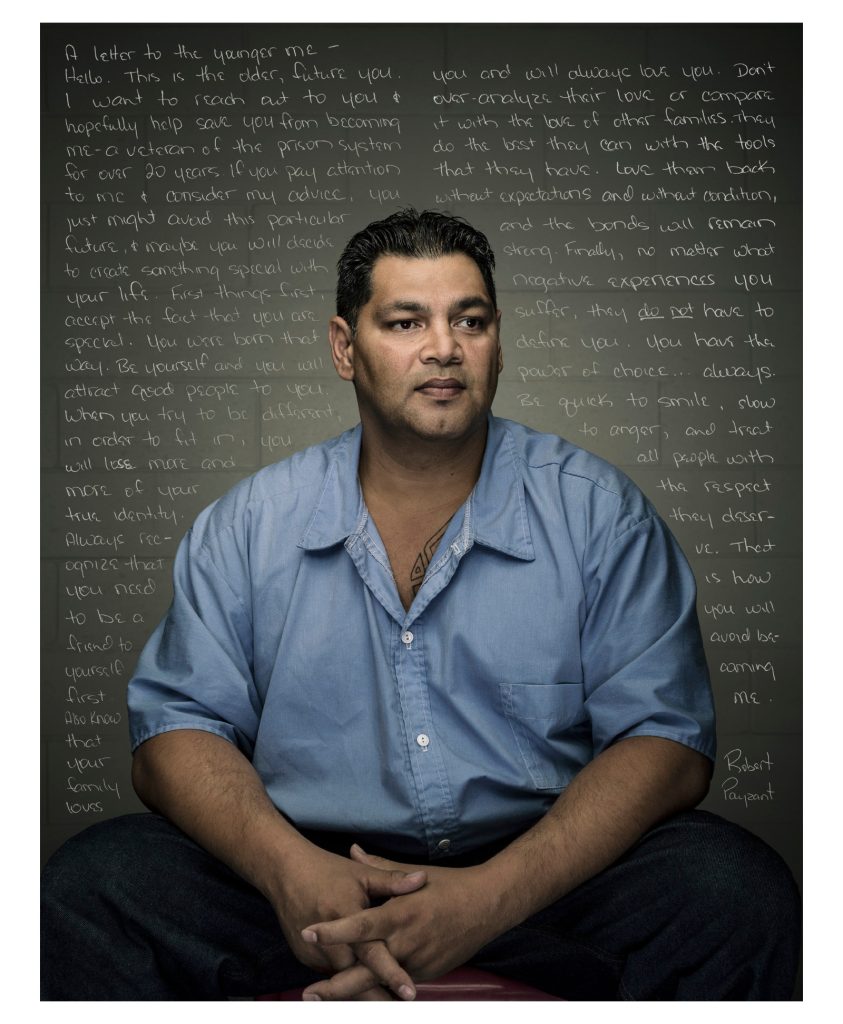
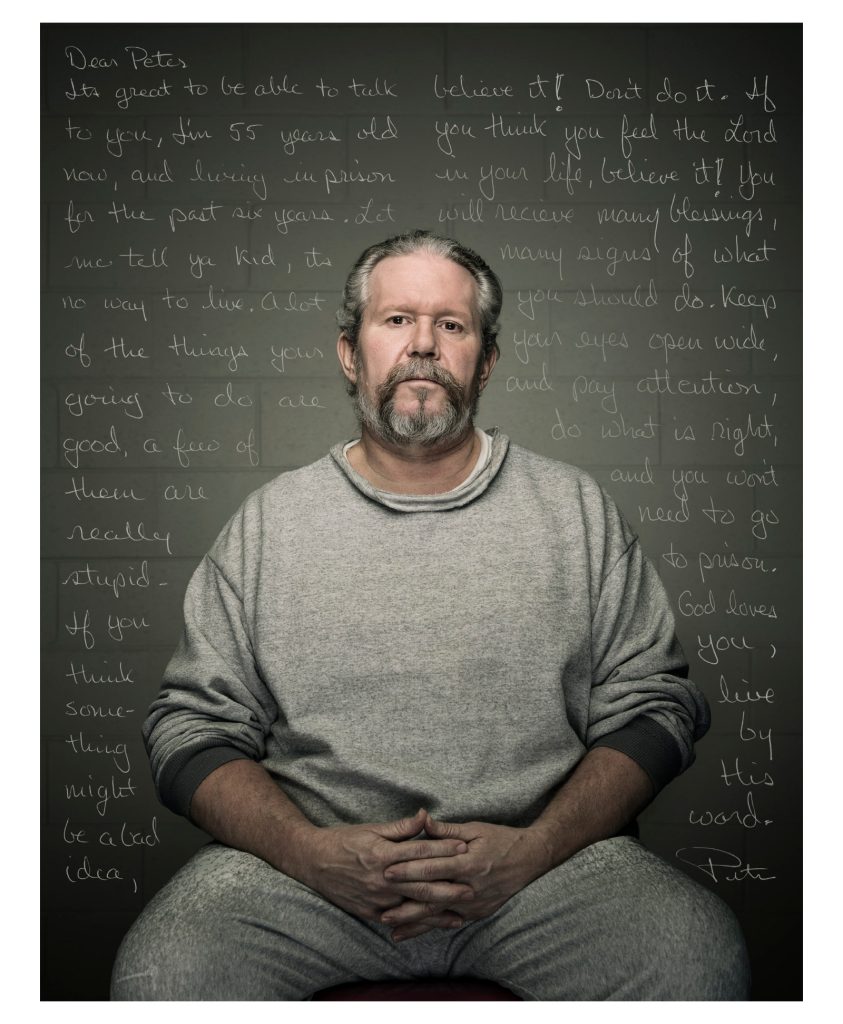
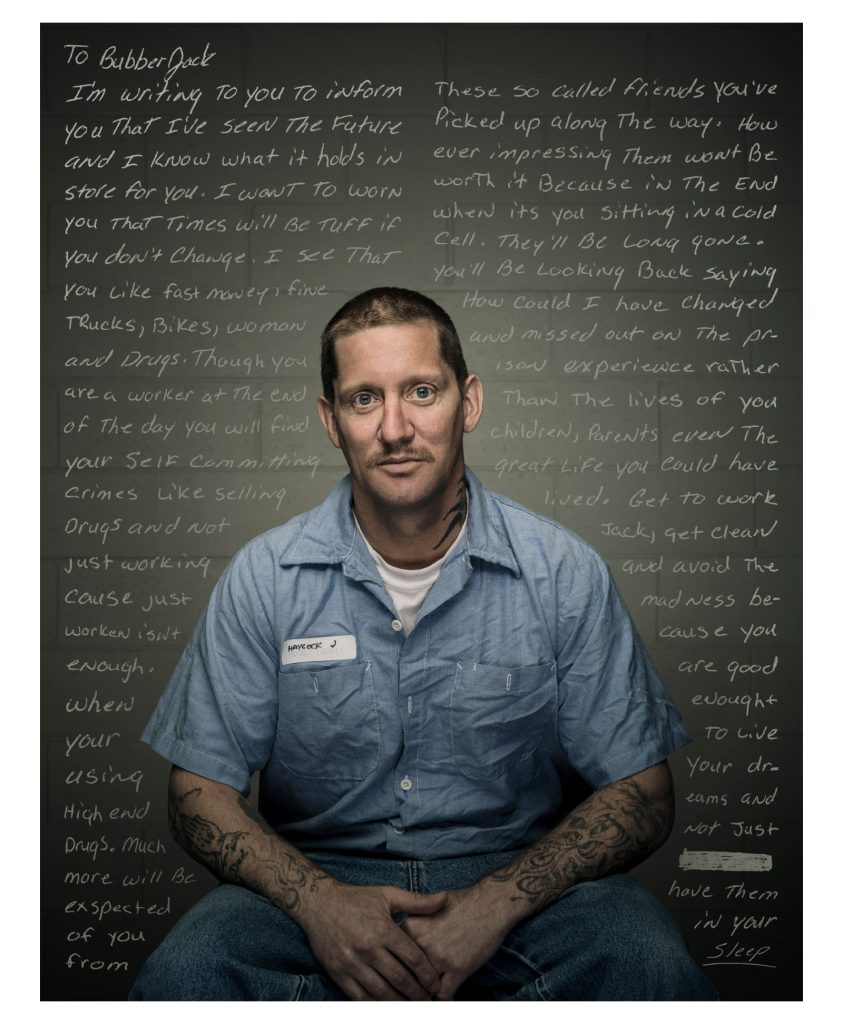
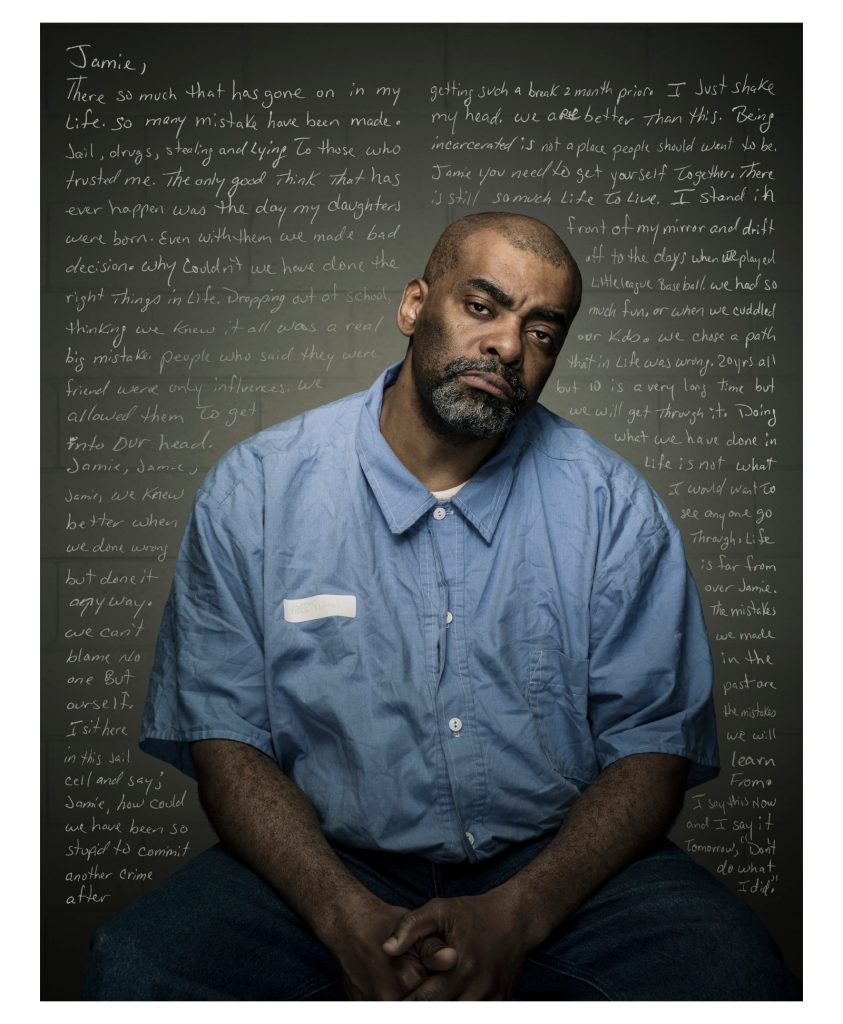
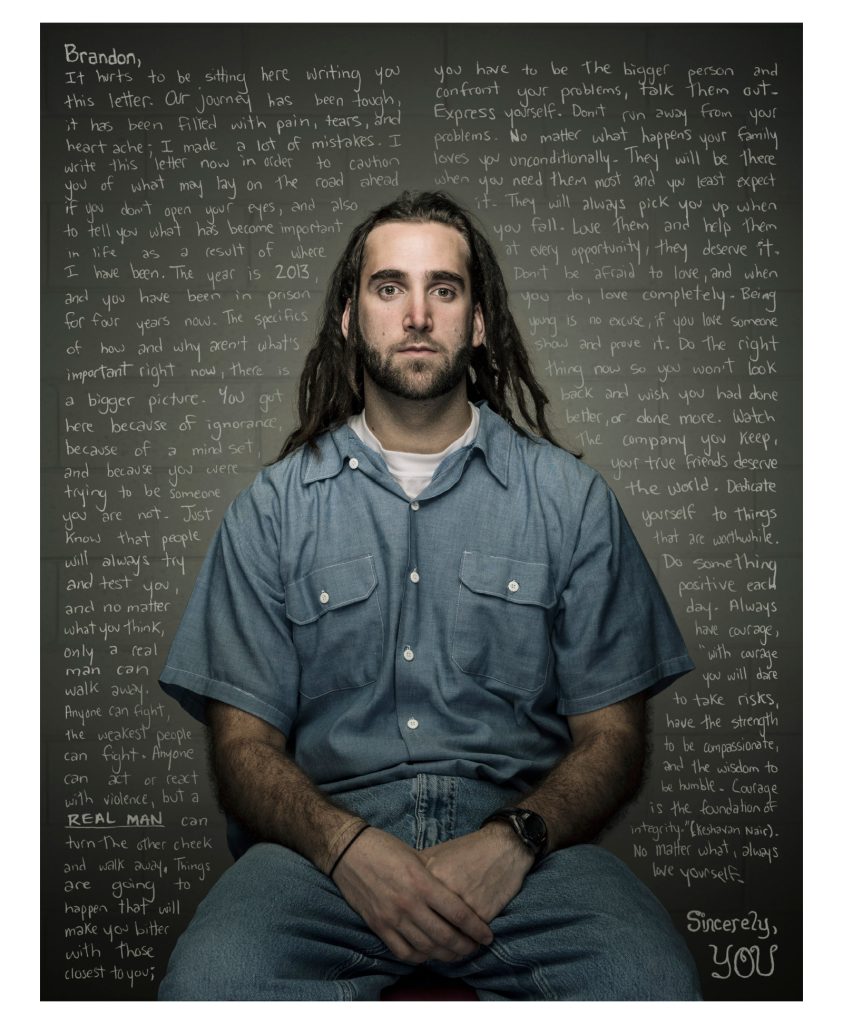
project that would merge large-scale portraits of inmates in the
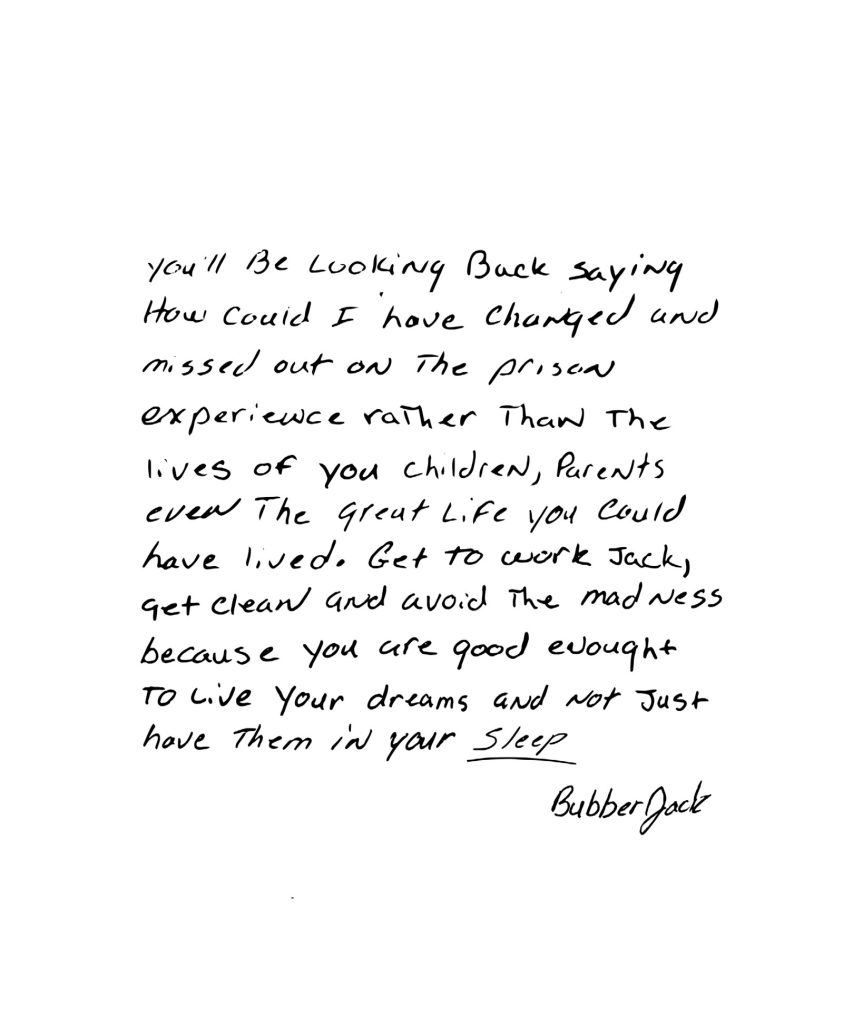
prison system with handwritten letters the convicts composed to
their younger selves.
Page 7
“Our bad choices can contain untold loss, remorse, and regret,”
says Bell, “but the positive value of these bad choices might be
immeasurable if we can face them, admit to them, learn from
them, and find the strength to share.”
REFLECT: Convicts’ Letters to their Younger Selves is an artistic
documentation of choices, consequences, and reflection. Here,
Trent shares what the project means to him, how it was achieved,
and the purpose he hopes it will serve. For more information visit:
trentbell.com.
How did the idea for REFLECT come about?
Trent Bell: A friend of mine did some things he should not have
done and went away to prison. And that happened right around
the time my first son was born. I just remember sitting on the
porch one morning. My son was only about a week old at the time
when I heard about the news. My friend had four kids and was
going away to prison. We had grown up around each other. He
seemed like a very similar person to me. He was married. He was a
Page 8
professional. He had kids. And now, he’s in prison. It was just that
moment of thinking about being in that situation.
Was this your first time shooting a project like this?
Typically, I spend my time shooting very expensive product
photography or architectural photography. I wanted to do
something that was aimed at giving back or helping those who
maybe didn’t have as many advantages in life as I often did. That
had been sitting on my mind a lot.
So, I sat down with my studio manager and we started
brainstorming around the idea of prison inmates. With what had
happened with my friend, I thought this could bring awareness
to the situation that a lot of people are in prison. It turned out
to be way beyond what we had initially envisioned. We kind of
knew it would be good. But when we first looked at the images on
the screen, once the portraits and the writing were combined, we
realized how powerful it was going to be. It would speak to people
who had never had any kind of history of being anywhere close
Page 10
to breaking the law, [and] put them in the inmates’ shoes. And
we saw that as a really incredible thing—to be able to help people
understand each other in that way.
What was the process of getting inmates to participate?
The process of getting access to the prison inmates was very easy
to us. It was just a coincidence that we got lucky. We asked at
the right time, when there was a social worker there, and that
made it all work for us. It was offered up to a vast majority of
the prison population. Only twelve came forward and agreed to
participate because that is a very dangerous place to put yourself
psychologically in prison—to open up old wounds and make
yourself vulnerable.
Were the participants eager to reflect on their younger selves and
where they could have been as opposed to where they are now?
If you can imagine going to prison, it is a very scary thing. And you
have to harden yourself to your reality. And you have to package it
Page 12
all up and push it down deep and protect yourself for however long
you are going to be in prison. For the individuals that participated,
it was definitely a challenge for them to basically open old wounds
and imagine themselves at a time when they weren’t in prison,
when they were free. To go back to that was very, very difficult for
them. It was a very introspective process, very painful and difficult
to share. But they said that after doing it, they had a huge amount
of benefit from that process. I’ve since had follow-up letters from
several of the individual participants.
What was the response of the participants after they saw the
completed project?
One of the guys had really done a lot of work on his letter and
engaged in a lot of introspection. He had produced a letter to
himself that really focused on the idea of taking the higher road
when it comes to reacting to situations and not succumbing to
the gut reaction to end this with violence. He shared with me that
since doing this project, there have been two or three times when
he has been challenged. He was even putting on his shoes, lacing
Page 15
them up to go be violent towards someone else because of the
situation. And he took his shoes off. He put them away and said,
“No, I remember what I wrote to myself and I’m not going to do
this.” To me, that was incredible.
What did you hope this project would provide for the participants?
Initially, we hadn’t done it as much for the benefit of the
participants as much as something to take what the participants
had learned and share that with individuals. It turned out to be
really more of a social awareness thing – to get the soccer mom
that showed up at the gallery opening to say, “I relate to this guy,”
when they never would have related to each other. Getting to read
their actual words in their handwriting while looking at them, it
was this combination that worked really well.
What was your favorite part of the project?
I was most proud of the guys that participated just for [the sake
of] going through the process to be introspective and think about
Page 17
their lives. I think that was the best thing. The idea that people on
the outside are considering them and thinking of their situation.
And that they’re able to share [their experiences] beyond those
walls. I really do think a lot more of this type of thing should be
done. We’re just locking them up and throwing away the key, but
a lot of them do eventually get out. And what we get back into
society is a discarded person that really does not fit in. If they
could spend their time in there reflecting, thinking, growing, and
sharing on what they’ve done, it seems like you’d end up so much
better off in the long run for the population on the outside and
on the inside. The biggest pain that these guys have when they
leave is that they feel like absolutely everyone on the outside does
not want them. They are a complete outsider everywhere they go.
Every job they have to share that they are an ex-con.
What do you hope people can learn from viewing REFLECT?
To a large degree, we’re all in the same human skin. We all have
the same abilities to make a split-second decision that goes the
wrong way. We all have weaknesses. We have all come up short
Page 18
so many times. I just learned so much about how connected we
are below the surface. How much we do need each other and
how much community means. How much these guys lose the
sense of community when they go to prison. When we make the
community on the inside of prison so toxic and acidic, we’re just
sending them to training camp to become hateful people, if we’re
going to treat them in that manner. I learned that we really need
interaction with each other and outside of our day-to-day normal
that we experience all the time. We need to relate to each other
and understand.
If people could take the time to sit in front of these images and
read them, it’s a very powerful experience. But isn’t that the thing
that we’re constantly trying to do—get people to see outside of
their own world? It’s really difficult.
Courtesy of The Curbside Chronicle / INSP.ngo
Page 20
ABOUT SPEAK UP MAGAZINE
Speak Up equips remarkable people facing homelessness with a
magazine that releases their voice and give them a chance to work
and earn money. As they buy and sell Speak Up magazines (and
keep the profits), they discover dignity, develop skills, accomplish
goals, and get off the streets.
Speak Up is a 501(c)3 nonprofit, powered by your generosity.
PLEASE GIVE.
SPEAK UP
501 Hawthorne Lane
Charlotte, NC 28204
SPEAKUPMAG.ORG
@speakupmag on social media
ARE YOU FACING HOMELESSNESS?
You can write for the magazine, tell your story and get paid.
You can sell magazines and earn immediate income.
IN CHARLOTTE: Come the address above on Thursdays at 2PM.
ANYWHERE IN THE USA: Visit speakupmag.org/partner.